Best Home Remodeling for Practical Results

A home does not have to be fully rebuilt to feel better, work better, and look updated. The best home remodeling usually comes from improving the rooms and surfaces you use every day - the kitchen, walls, cabinets, paint, and flooring. For most homeowners, those are the changes that solve real problems while also making the house easier to enjoy and easier to maintain.
The mistake many people make is assuming that a successful remodel has to be large, expensive, or design-driven. In reality, the strongest results often come from focused interior work that fixes wear, improves layout function, and gives the home a cleaner, more finished appearance. When the right trades are handled together, the project also tends to move more efficiently.
What best home remodeling really means
The best home remodeling is not the most expensive option. It is the remodel that fits how the household lives, addresses visible issues, and adds long-term usefulness. A beautiful finish matters, but so does whether cabinets open properly, walls are smooth, floors hold up to traffic, and paint can stand up to daily life.
That is why practical interior remodeling delivers strong value. Kitchens, cabinetry, drywall, interior painting, and laminate flooring affect both appearance and function. These are the surfaces people see first and use most. If they are outdated, damaged, or poorly installed, the whole house feels older than it is.
A good remodeling plan starts with priorities. Some homeowners need a kitchen refresh because storage no longer works. Others need wall repair after leaks, dents, or previous patch jobs. Some are preparing a home for sale and need straightforward upgrades that improve buyer perception without overbuilding for the neighborhood. The right scope depends on the home, budget, and timeline.
Start with the rooms that carry the most weight
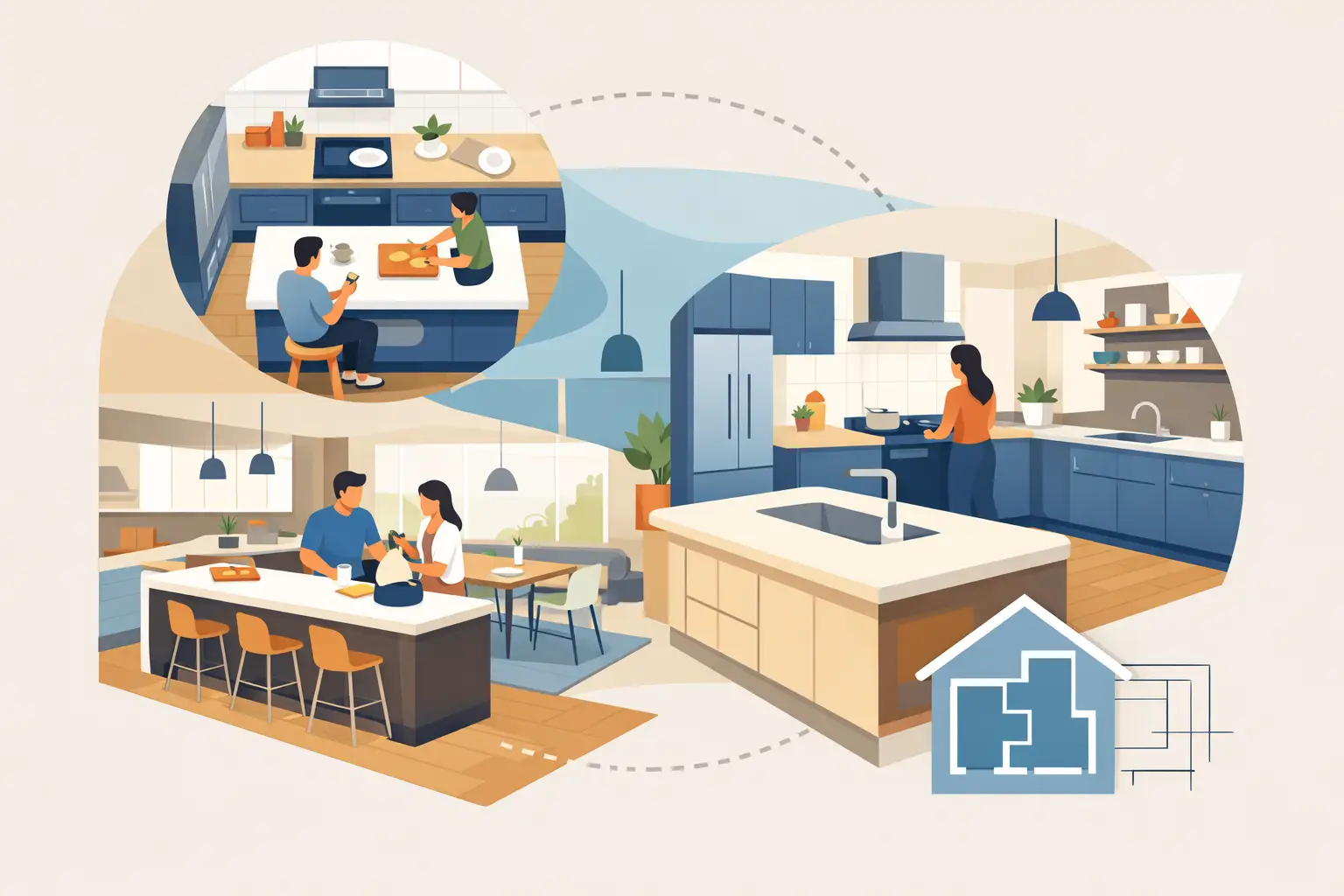
When homeowners ask where to invest first, kitchens are usually at the top of the list. The kitchen affects daily routines more than almost any other interior space. Even modest upgrades can change how the room functions and how the rest of the home feels.
Cabinet work is often one of the highest-impact improvements. Worn, dated, or poorly arranged cabinets make a kitchen feel tired fast. Replacing or updating cabinetry can improve storage, visual order, and overall usability. It also influences how countertops, backsplash, paint, and flooring come together. If the cabinet layout is inefficient, cosmetic updates alone will only go so far.
Drywall and interior wall condition are another major factor. A home can have updated finishes, but if the walls show seams, cracks, poor texture matching, or patch repairs, the final result still looks unfinished. Clean drywall work creates the base for everything else. It is not always the most noticeable item during planning, but it becomes very noticeable when it is done poorly.
Flooring is similar. Laminate flooring remains a practical option for many households because it offers a clean, updated appearance with good durability and a more budget-conscious price point than some alternatives. It works especially well when homeowners want to refresh multiple rooms and create a more consistent look. The trade-off is that product quality and installation matter. Not every laminate performs the same, especially in homes with pets, kids, or heavier traffic.
Interior painting may look like the simplest part of a remodel, but it has a major effect on how finished the project feels. Fresh paint can brighten dark rooms, clean up worn surfaces, and tie together cabinet, trim, and flooring updates. It is also one of the fastest ways to make an older interior feel newer. Still, paint only performs as well as the surface underneath it, which is why prep work and drywall quality matter.
The best home remodeling projects solve coordination problems
One of the biggest frustrations in remodeling is managing separate crews for different parts of the same project. A homeowner may need drywall repair before painting, cabinet installation before final trim, or flooring after other interior work is complete. When each trade is handled separately, scheduling gaps and communication issues can slow the job and create avoidable problems.
This is where a multi-trade remodeling approach makes a real difference. When one company can handle related interior work, the process is easier to manage and the final result is usually more consistent. The painter is not arriving before wall repairs are finished. The flooring installer is not working around unresolved cabinet details. The sequence is clearer, and that helps protect both the schedule and the finish quality.
For homeowners, this is not just a convenience issue. It affects cost control, project timing, and stress level. A remodel with fewer handoffs is often easier to keep on track.
Budget matters, but scope matters more
A lot of remodeling disappointment comes from spreading the budget too thin. Homeowners sometimes try to update too many areas at once, which can lead to a project full of partial improvements instead of one area completed well.
A better approach is to choose the work that will have the strongest effect on daily use and overall appearance. For example, a kitchen with damaged cabinets, worn flooring, and poor wall condition may benefit more from a well-planned functional refresh than from adding decorative features. Getting the essentials right first usually delivers a better return than chasing upgrades that look impressive on paper but do not solve the real problems.
There is also a difference between remodeling for resale and remodeling for long-term living. If resale is the goal, it often makes sense to focus on broadly appealing finishes, neutral paint, clean lines, and repairs that remove visible wear. If the homeowner plans to stay for years, personal function matters more. Storage needs, maintenance preferences, and traffic patterns should shape the decisions.
How to judge remodeling quality before work begins
The best home remodeling experience starts before the first tool comes out. Homeowners should pay attention to how clearly the project is explained. A dependable contractor should be able to define the scope, identify what is included, explain likely sequencing, and talk honestly about limitations.
That last part matters. Not every wall can stay untouched during adjacent work. Not every existing surface will match perfectly once a repair is made. Not every budget supports a full transformation. Straight answers help avoid unrealistic expectations.
It also helps to work with a contractor who understands the practical side of interior upgrades, not just the appearance. A kitchen remodel is not only about what looks new. It is about installation quality, surface preparation, fit, and finish. The same is true for drywall, paint, and flooring. The visible result depends on solid work behind it.
Communication is another major quality marker. Homeowners should know who is handling the work, what the timeline generally looks like, and how changes or issues will be discussed. For many households, especially in diverse communities, language accessibility also plays a role in trust and clarity. Bilingual support can make the process more comfortable and reduce misunderstandings from estimate to completion.
When a smaller remodel is the smarter choice
Not every home needs a full interior overhaul. In many cases, targeted remodeling is the better investment. A damaged wall repair and repaint can restore a room more effectively than replacing furniture. New laminate flooring can update a large portion of the interior without expanding the project into unnecessary structural work. Cabinet improvements can reset the kitchen without changing the entire footprint.
This kind of remodeling works well for homeowners who want strong visible change without committing to a major renovation. It is also a practical option for occupied homes where disruption needs to stay manageable.
That is why companies like AP Interior Solutions focus on core interior trades that make the biggest everyday difference. Homeowners often do not need a complicated design package. They need skilled, reliable work in the parts of the home that show wear first and matter most.
Choosing results over hype
Good remodeling should make life at home easier. It should improve function, clean up problem areas, and leave the interior looking finished instead of patched together. The best projects are usually the ones with clear priorities, realistic scope, and workmanship that holds up after the crew is gone.
If you are planning your next upgrade, start with the areas that affect your daily routine most. A well-executed kitchen update, solid cabinet installation, clean drywall work, fresh interior paint, or new flooring can do more for a home than a long list of trend-based changes. The best home remodeling is the kind that still feels like the right decision years later.
Planning a project in South Florida?
AP Interior Solutions remodels kitchens and bathrooms and delivers flawless painting and drywall across Broward, Miami-Dade and Palm Beach. Free in-home estimates, English y español.