Best Kitchen Cabinet Styles for Florida Homes
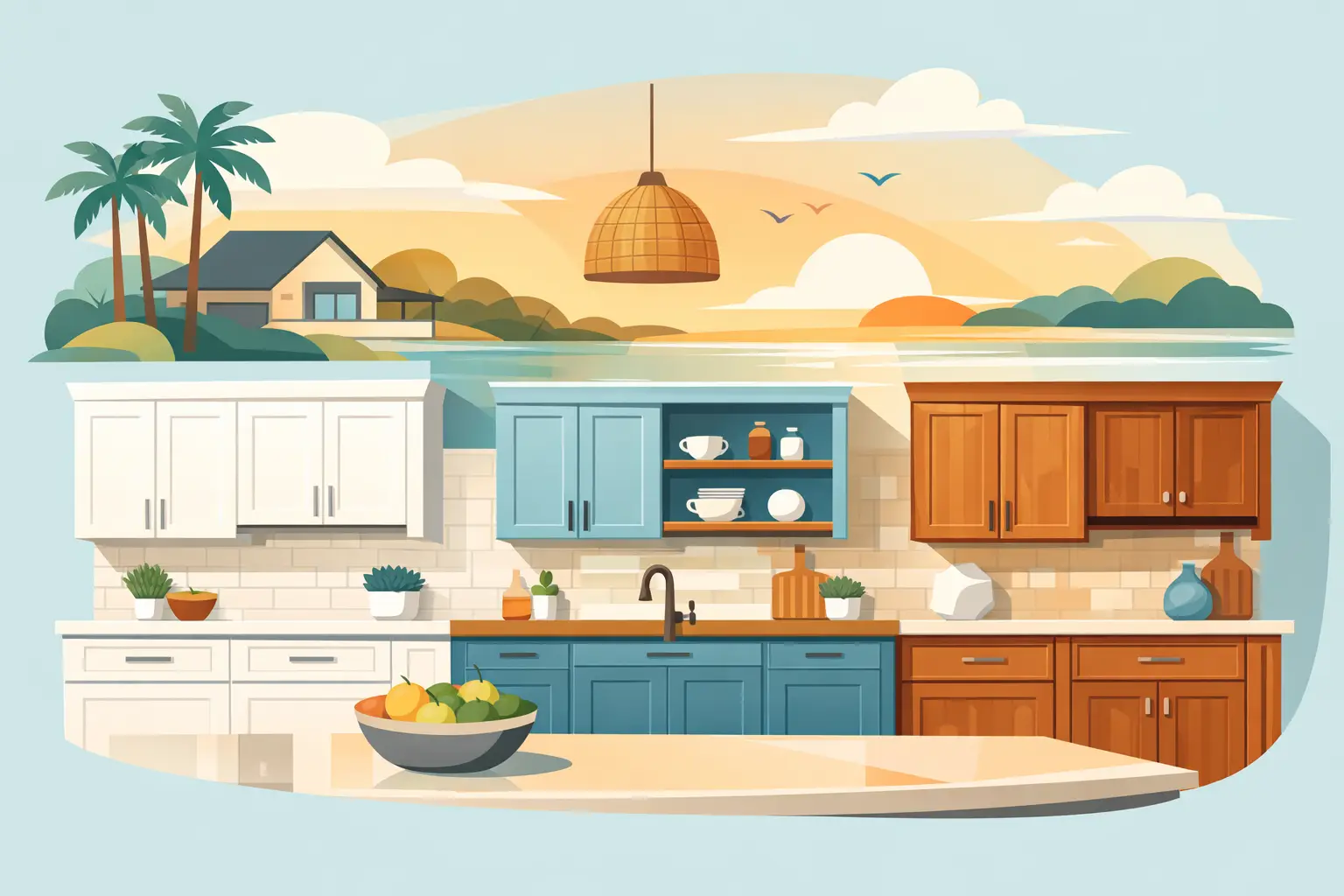
A cabinet change can make an outdated kitchen feel like a different room without moving walls or changing the entire floor plan. The best kitchen cabinet styles are not always the most ornate or the most expensive. For most homeowners, the right choice is one that fits the home’s architecture, holds up to daily use, provides useful storage, and still looks current years from now.
Florida kitchens also have practical considerations. Heat, humidity, frequent cooking, active families, and bright natural light can affect how finishes perform and how colors look. A cabinet style should work with those conditions while supporting the way your household actually uses the kitchen.
How to Choose the Best Kitchen Cabinet Styles
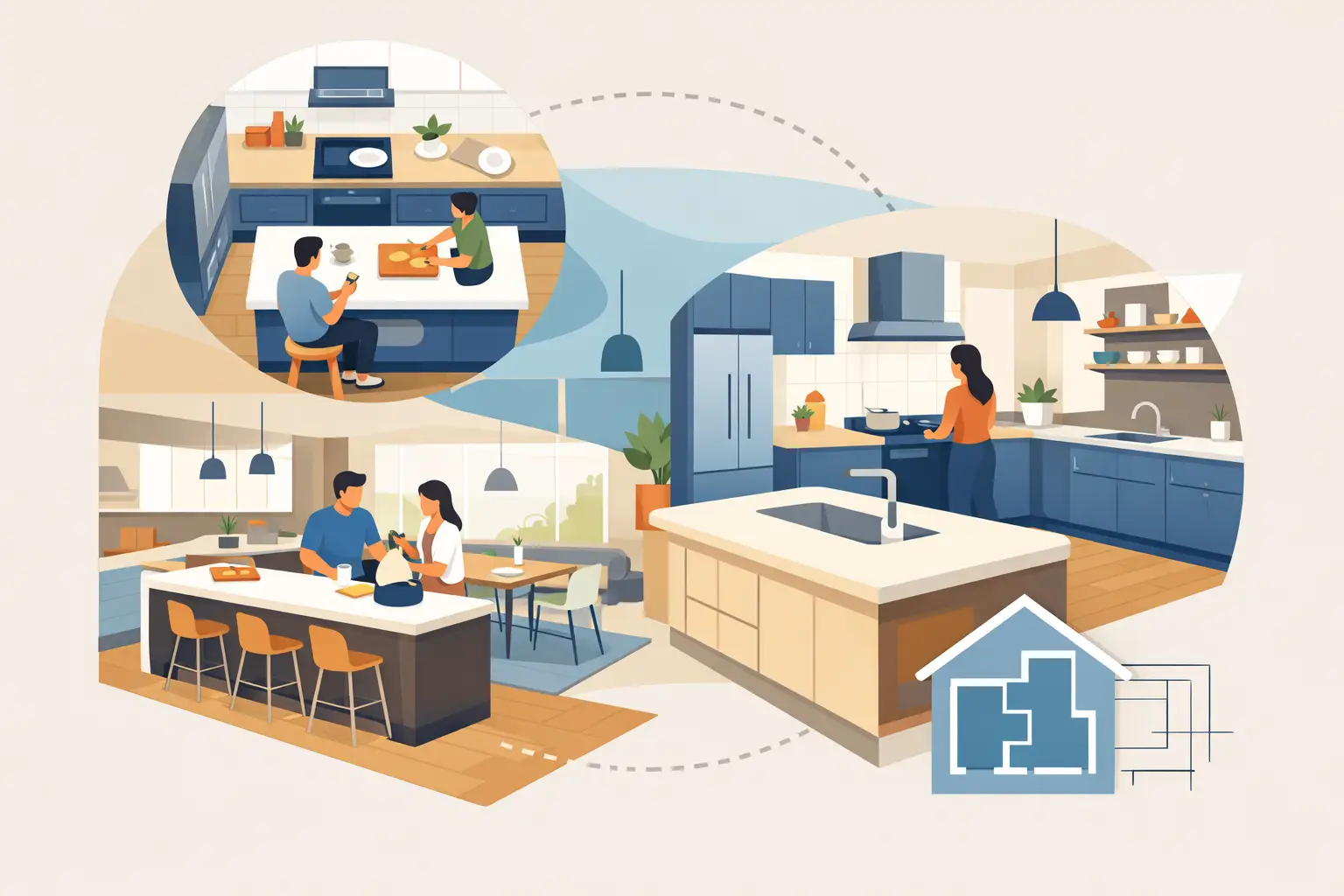
Start with the home, not just a photo gallery. A clean-lined cabinet may look right in a newer home with open living areas, while a more detailed door profile can better suit a traditional property. The surrounding finishes matter too. Countertops, backsplash, wall color, flooring, and hardware all influence whether cabinets feel balanced or out of place.
Function should carry equal weight. Deep drawers are often more useful than lower cabinets with fixed shelves. Tall pantry storage can reduce countertop clutter. A large family may need a mix of drawer bases, pullout trash storage, and dedicated zones for dishes and small appliances. A smaller kitchen may benefit most from lighter colors and simple door designs that keep the space from feeling busy.
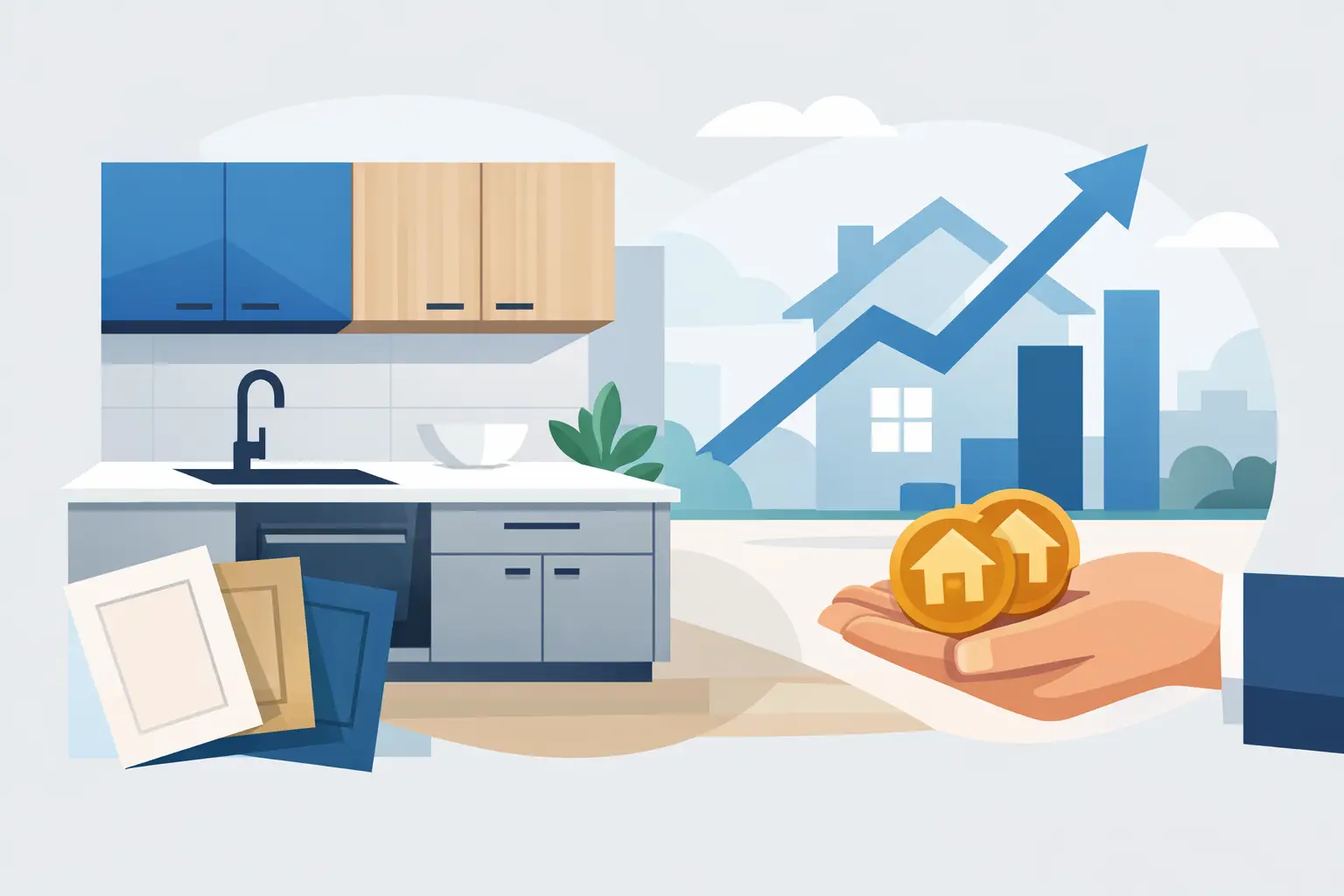
Budget is another deciding factor. Door style, cabinet construction, finish quality, and modifications all affect cost. A practical remodel does not require every available upgrade. It requires choosing the upgrades that solve real problems in your kitchen.
Shaker Cabinets: A Reliable Choice for Most Homes
Shaker cabinets remain one of the best kitchen cabinet styles because they are simple, adaptable, and broadly appealing. The door has a flat center panel framed by clean rails and stiles. That straightforward profile works in traditional, transitional, coastal, and modern farmhouse kitchens.
White shaker cabinets are a common choice for good reason. They brighten kitchens with limited natural light and pair easily with many countertop materials. Soft gray, warm beige, light oak, and muted blue-green shaker cabinets can provide more character without committing to a highly specialized look.
The trade-off is popularity. Shaker cabinets are familiar, so homeowners who want a distinctly modern or custom appearance may prefer a slab door or a narrower-profile shaker variation. Still, for resale value and long-term flexibility, shaker cabinets are difficult to beat.
Slab Cabinets for a Clean, Modern Kitchen
Slab cabinets have flat, smooth door fronts with no raised or recessed panel detail. They are a strong fit for contemporary homes, updated condos, and kitchens with simple lines. When paired with long bar pulls, integrated handles, or handle-free hardware, slab cabinets create a streamlined appearance.
This style is also easy to clean because there are fewer grooves where grease and dust can collect. That can be an advantage in busy kitchens. Matte finishes, wood grain patterns, and painted slab doors all offer different looks, from warm and natural to crisp and minimal.
Slab cabinets are less forgiving of poor installation than more detailed doors. Uneven gaps and misaligned hardware stand out on a flat cabinet face. Proper measurements, level installation, and careful adjustment are essential to getting the clean look homeowners expect.
When Slab Cabinets Make the Most Sense
Choose slab cabinets when the kitchen has modern finishes, an open floor plan, or a preference for simple surfaces. They work particularly well with large-format tile, quartz countertops, and laminate flooring that has a clean wood look. In a very traditional home, however, they can feel disconnected from the rest of the interior unless other updates support the change.
Raised-Panel Cabinets for Traditional Detail
Raised-panel cabinet doors have a center panel that sits higher than the surrounding frame. They bring more shadow lines and decorative detail to the kitchen, making them a natural choice for traditional, formal, or Mediterranean-influenced homes.
These cabinets can look especially strong in larger kitchens where detailed door profiles have room to stand out. Warm painted finishes, stained wood tones, decorative crown molding, and classic hardware can create a finished, established appearance.
The main consideration is visual weight. Raised-panel cabinets may make a compact or dark kitchen feel more enclosed, particularly when paired with heavy countertops and ornate backsplash tile. Lighter finishes and simpler hardware can keep the design from becoming too formal.
Beadboard Cabinets for Coastal and Cottage-Inspired Spaces
Beadboard cabinets add vertical grooves to the door panel. The look is casual, welcoming, and well suited to coastal, cottage, or farmhouse-inspired kitchens. In Florida homes, beadboard can bring character without requiring elaborate decorative details.
Painted beadboard in white, cream, light blue, or soft green works well with bright spaces and natural textures. It is generally better used as a controlled design feature than throughout every cabinet run. For example, beadboard on an island or a small accent area can add interest while keeping the main cabinets simple.
Because the grooves need more detailed cleaning, beadboard may not be the best choice for households that want the lowest-maintenance cabinet surface. It is a style decision that should match both the look you want and the time you want to spend maintaining it.
Glass-Front Cabinets: Best Used in the Right Places
Glass-front cabinet doors are not a complete cabinet style by themselves, but they can improve many cabinet designs. They are often added to upper cabinets to break up a long wall of solid doors and provide a place to display everyday dishes, glassware, or serving pieces.
Clear glass creates an open feel but requires organized shelves. Frosted, seeded, or textured glass offers more privacy and can reduce the pressure to keep every cabinet perfectly arranged. For many kitchens, one or two glass-front sections are enough. Too much glass can make storage feel exposed and reduce the space available for less attractive everyday items.
Cabinet Colors and Finishes That Age Well
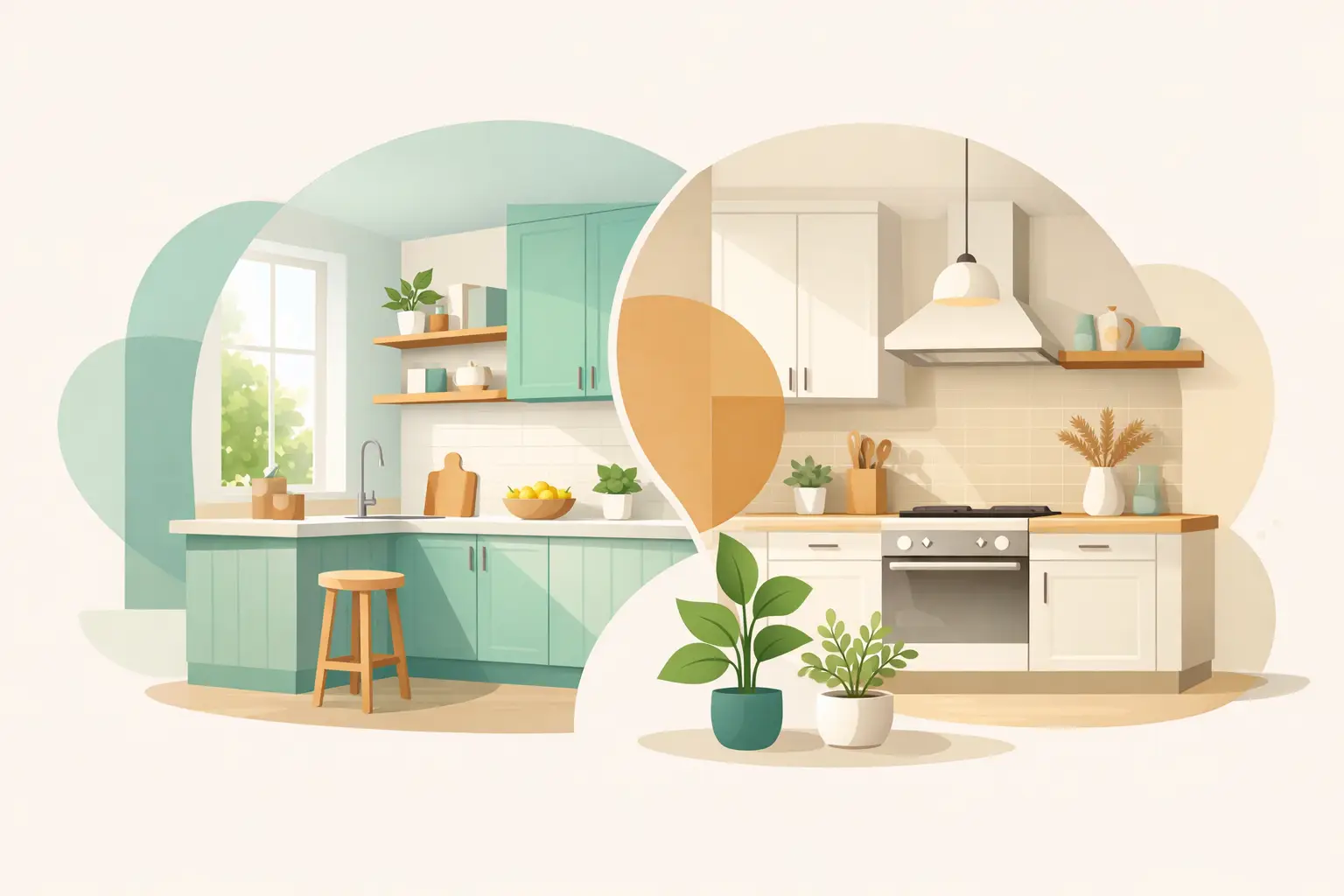
The cabinet style matters, but color and finish often make the bigger first impression. White remains dependable because it reflects light and works with nearly any finish package. Warm whites are usually easier to live with than stark bright white, especially with cream-toned tile or warm flooring.
Natural wood looks are also gaining attention because they add warmth to kitchens that might otherwise feel overly gray or plain. Light oak, medium walnut-inspired tones, and textured wood grain finishes can work with shaker or slab doors. They can also hide minor wear better than a very dark painted finish.
Two-tone kitchens are useful when done with restraint. A darker island paired with lighter perimeter cabinets can define the room without making it feel closed in. Another practical option is using wood-tone lower cabinets with lighter uppers. Avoid choosing a trend simply because it is popular online. Cabinet replacement is a significant investment, and a finish should still feel right after the trend cycle changes.
Construction and Storage Matter as Much as Door Style
A good-looking cabinet will disappoint if drawers stick, shelves sag, or storage does not fit daily needs. Ask about drawer construction, hinges, slide hardware, cabinet box materials, and how the cabinets will be installed. Soft-close hinges and drawer slides are now a practical upgrade for many households because they reduce slamming and improve day-to-day use.
During planning, consider where trash, recycling, cookware, spices, dishes, and small appliances will go. A cabinet layout should reduce unnecessary steps. If the kitchen also needs drywall repair, interior painting, or new flooring, coordinating those trades in the right order prevents damage and rework. AP Interior Solutions can help homeowners plan cabinetry as part of a complete interior upgrade rather than treating each finish as a separate project.
Choose a Style You Will Still Like After the Remodel Is Done
The strongest cabinet choice is usually not the boldest one. It is the style that fits your home, supports your storage needs, and works with finishes you can live with every day. Shaker cabinets offer dependable flexibility, slab doors provide modern simplicity, raised-panel styles add traditional detail, and beadboard brings a casual coastal character.
Before making a final selection, look at door samples in your actual kitchen lighting and compare them with the countertop, flooring, and wall colors you plan to keep. A well-installed cabinet style that fits the room will make the kitchen easier to use and more enjoyable to come home to.
Planning a project in South Florida?
AP Interior Solutions remodels kitchens and bathrooms and delivers flawless painting and drywall across Broward, Miami-Dade and Palm Beach. Free in-home estimates, English y español.