Best Laminate Flooring for Pets in Busy Homes
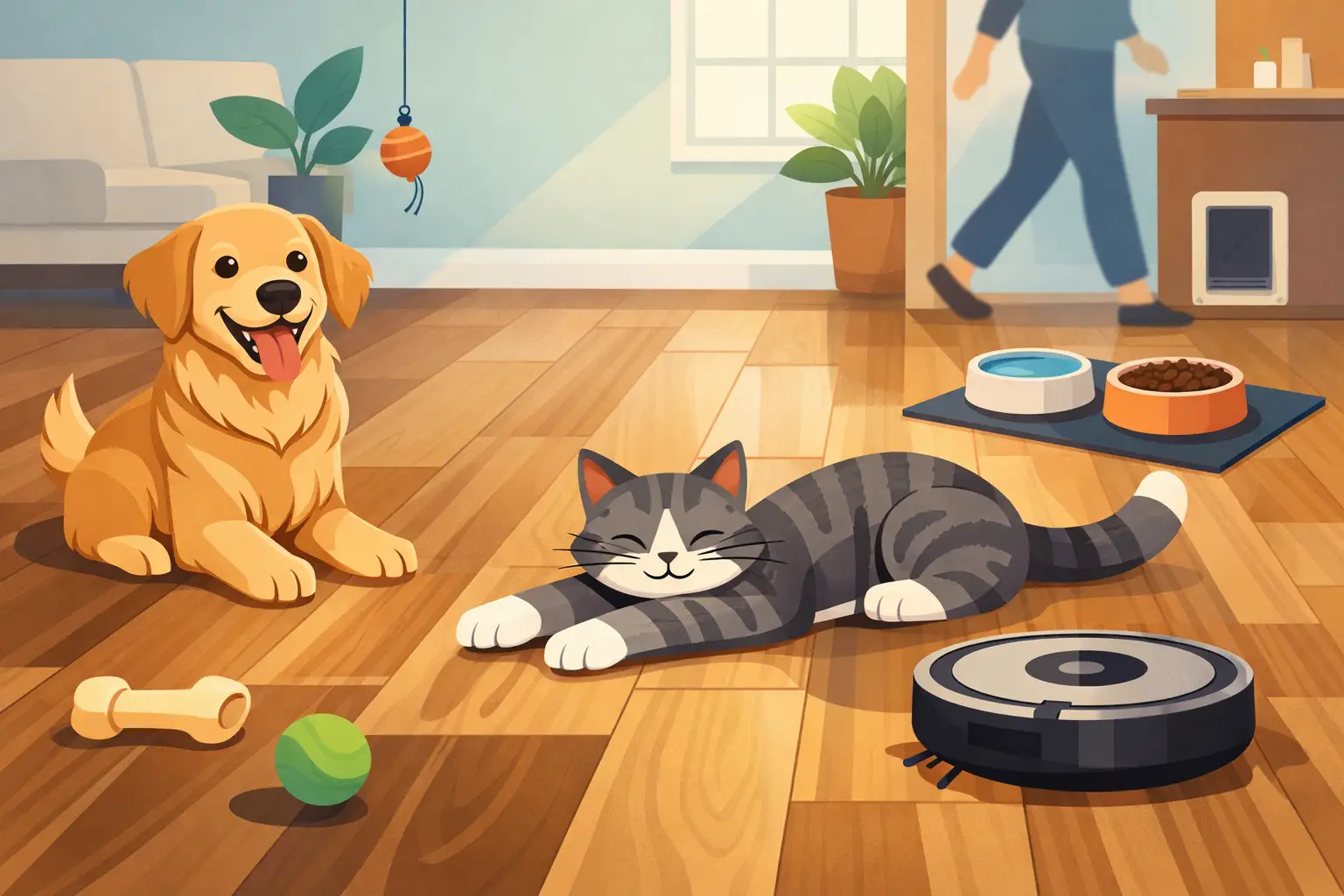
A pet-friendly floor has to handle more than daily foot traffic. It needs to stand up to nail marks near the door, spilled water bowls, muddy paws after rain, dropped toys, and the occasional accident. The best laminate flooring for pets balances scratch resistance, moisture protection, secure footing, and a finish that still looks good after real life happens.
For many Florida homeowners, laminate is a practical choice because it gives the appearance of hardwood without the cost and maintenance concerns of natural wood. But not every laminate product is built for a home with dogs or cats. The right selection starts with knowing which specifications matter and where laminate has limits.
What Pets Put Laminate Flooring Through
Pets do not automatically ruin laminate flooring. Problems usually come from choosing a light-duty product, overlooking water exposure, or expecting laminate to perform like a fully waterproof floor.
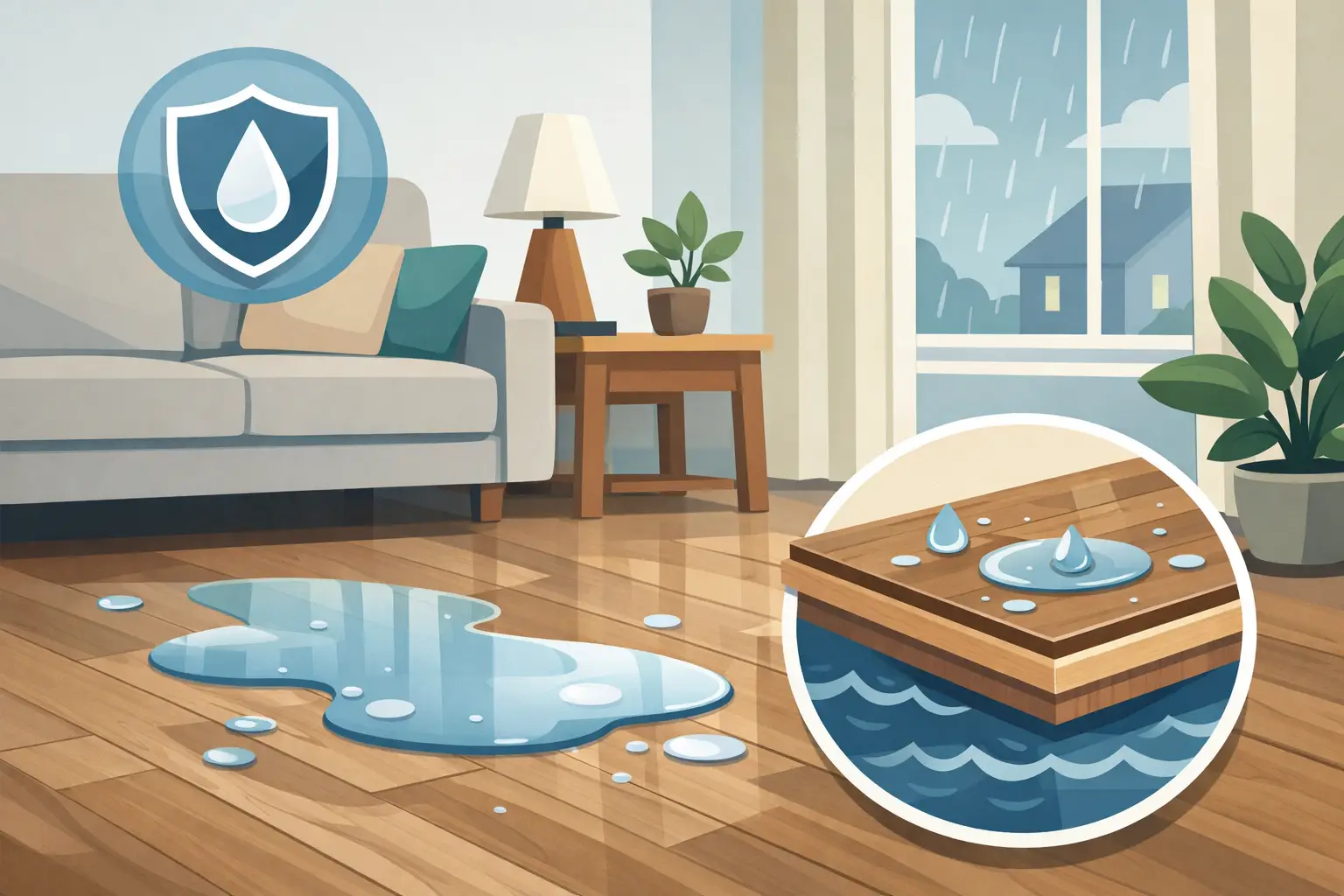
Dog nails can leave marks on lower-quality surfaces, especially in hallways, living rooms, and areas where pets run or turn quickly. Water is another concern. A small splash that is wiped up quickly may not cause damage, but standing water can work into seams and cause swelling at the edges of laminate planks.
Cats create different challenges. Their litter can be abrasive if tracked out of the box, while accidents need to be cleaned promptly to avoid moisture getting into joints. Pets of any kind can also make glossy, slick flooring harder to walk on, particularly as they age.
That is why the best choice is not simply the darkest color or the most expensive plank. It is a product with the right construction for the rooms where your pets spend their time.
Best Laminate Flooring for Pets: Features to Prioritize
When comparing laminate samples, look beyond the printed wood pattern. Product specifications tell you far more about how the floor will hold up.
Choose a High Wear Rating
For active households, AC4-rated laminate is generally the right starting point. The AC rating measures abrasion resistance. AC3 can work well in bedrooms and moderate-traffic spaces, but AC4 is better suited for busy residential areas with pets, children, and frequent guests.
An AC5 rating offers even greater durability and is often used in commercial settings. It can be a good option for a very active home, although it may cost more and may not be necessary for every room. A contractor can help compare the added cost against the expected use of the space.
Keep in mind that a high AC rating addresses surface wear. It does not mean the floor is automatically waterproof or scratch-proof.
Look for Water-Resistant Construction
Water-resistant laminate is a better choice than standard laminate in homes with pets. These products typically have tighter locking systems, protected edges, and a core designed to resist moisture for a specified period.
Read the warranty and product details carefully. Some laminates are rated for spills that are cleaned within 24 hours, while others provide longer protection. Those time limits matter when choosing flooring for kitchens, entryways, laundry areas, or rooms where water bowls are kept.
Water-resistant does not mean the floor can be soaked, mopped with excessive water, or left exposed to pet accidents for hours. If a pet has frequent accidents, luxury vinyl plank or tile may be the more forgiving material for that specific area.
Select a Low-Gloss, Textured Finish
A matte or low-sheen finish is usually more practical than a shiny surface. It hides dust, paw prints, and small scratches better, especially in rooms with direct sunlight. Hand-scraped, embossed, or lightly textured finishes can also provide more traction for pets than smooth, glossy planks.
Texture should feel natural, not overly rough. Deep grooves can collect dirt and pet hair, making routine cleaning more difficult. Ask to see a full sample board rather than making a decision from a small chip. The larger sample gives a better sense of texture, color variation, and sheen.
Choose a Pet-Friendly Color and Pattern
Very dark floors can show light pet hair, dust, and scratches. Very light floors can show dark hair and tracked-in debris. Medium brown, warm gray, greige, and natural oak tones tend to be more forgiving for many households.
Wood-look patterns with varied grain and color movement are also practical. They do a better job of disguising minor marks than a flat, uniform finish. This does not mean a homeowner has to choose a busy or rustic appearance. Many current laminate styles provide a clean, updated look while still hiding everyday wear.
Thickness Matters, but It Is Not the Whole Story
Laminate thickness commonly ranges from about 7 mm to 12 mm or more. Thicker planks often feel more solid underfoot and can help reduce the hollow sound sometimes associated with laminate flooring. They can also handle minor subfloor variations better when installed correctly.
However, thickness alone does not determine durability. A 12 mm plank with poor moisture protection may not be the right choice for a pet-heavy household. The quality of the wear layer, the core, the locking system, and the installation all matter.
For most occupied homes, an 8 mm to 12 mm water-resistant laminate with an AC4 rating is a practical range to consider. The best fit depends on the room, budget, existing floor conditions, and the number and size of pets in the home.
Installation Details That Protect the Floor
A good laminate product can still fail early if it is installed over an uneven or damp subfloor. Before installation, the subfloor should be checked for flatness, moisture concerns, loose areas, and damage. This step is especially important in Florida, where humidity and concrete slab conditions can affect flooring performance.
Laminate is usually installed as a floating floor, meaning the planks lock together and are not glued directly to the subfloor. It needs proper expansion space around walls, cabinets, door frames, and fixed objects. Without that space, seasonal movement can lead to buckling or separated joints.
The correct underlayment is also part of the system. Depending on the product and subfloor, it may provide cushioning, noise reduction, vapor protection, or all three. Some laminates include an attached pad, while others require a separate underlayment. Using the wrong material can affect performance and may void the manufacturer warranty.
At AP Interior Solutions, flooring installation is approached as more than laying planks in a room. Proper preparation, clean transitions, baseboard work, and attention to moisture conditions help create a finished floor that looks right and performs as expected.
Where Laminate Works Best in a Home With Pets
Laminate is a strong option for living rooms, bedrooms, hallways, home offices, dining rooms, and many entry areas. It provides a durable, comfortable surface that is easier to clean than carpet and generally warmer underfoot than tile.
Kitchens can work well with water-resistant laminate when spills are addressed quickly. Place a mat beneath pet water bowls and use a tray with a raised edge if your pet tends to splash. In laundry rooms, bathrooms, or areas with repeated wet conditions, homeowners should carefully evaluate whether waterproof vinyl or tile is a better material choice.
For large dogs that run indoors, consider rugs or runners in high-speed paths, such as a hallway leading to the back door. Rugs reduce wear, give pets better traction, and protect the floor from grit carried in on paws.
Daily Care Keeps Pet-Friendly Laminate Looking Better
Routine care is simple, but consistency matters. Sweep, vacuum with a hard-floor setting, or use a dry microfiber mop to remove pet hair, sand, and grit. Fine debris is one of the biggest causes of dull-looking floors because it acts like sandpaper under paws and shoes.
Clean spills and accidents as soon as possible with a lightly damp microfiber cloth and a laminate-safe cleaner. Avoid steam mops, soaking wet mops, wax, polish, abrasive powders, and oil-based cleaning products. These can damage the finish, leave residue, or force moisture into the seams.
Keep pet nails trimmed, especially for larger dogs. Use mats at exterior doors, clean up spilled water near bowls, and place protective pads under furniture that may shift. These small steps prevent many of the problems homeowners assume are unavoidable.
Making the Right Choice for Your Home
The right laminate floor for a pet-friendly home should fit the way your household actually lives, not just the look of a showroom sample. Focus on an AC4 or higher wear rating, water-resistant construction, a low-gloss textured finish, and a color that will not show every piece of hair or dust.
Before committing to a style, bring samples into the room and view them in morning, afternoon, and evening light. Let your pets walk across the sample if possible. A floor that looks great and gives them secure footing is more likely to be a choice you will be satisfied with for years.
Planning a project in South Florida?
AP Interior Solutions remodels kitchens and bathrooms and delivers flawless painting and drywall across Broward, Miami-Dade and Palm Beach. Free in-home estimates, English y español.