
Is Laminate Flooring Waterproof Enough for Homes?
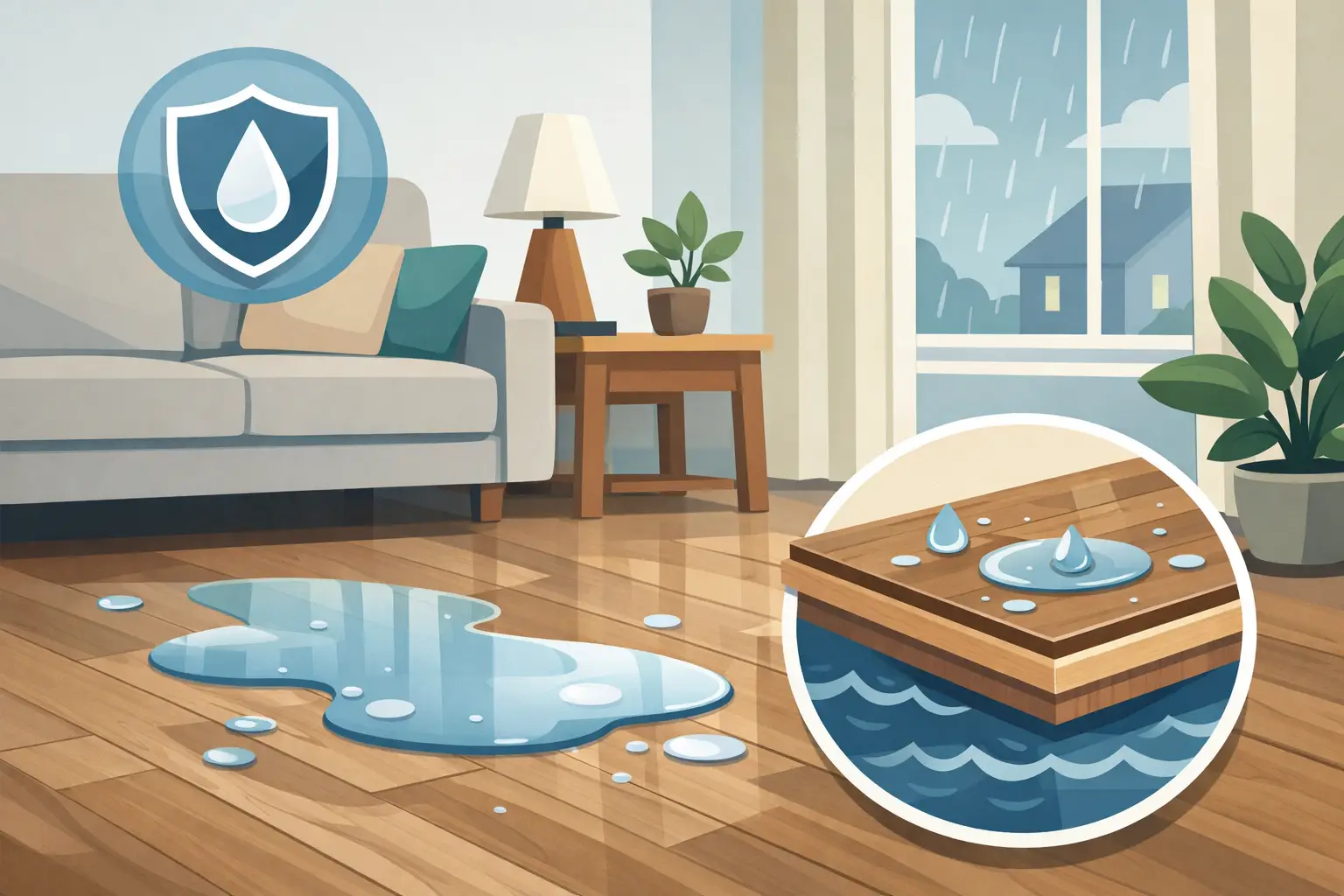
A dropped glass of water, a wet dog coming through the door, or a dishwasher leak can quickly answer the question: is laminate flooring waterproof enough for your home? The practical answer is that some modern laminate products handle everyday moisture very well, but no laminate floor should be treated like a surface that can sit under standing water indefinitely.
For homeowners planning an interior upgrade, the difference matters. Laminate can be a durable, attractive, budget-conscious flooring choice for many rooms. Choosing the right product and installing it correctly are what determine whether it performs well when real life gets messy.
Is Laminate Flooring Waterproof Enough for Kitchens and Baths?
It depends on the room, the specific flooring product, and the kind of moisture the floor will face. Standard laminate is generally water-resistant, not waterproof. Its protective wear layer can resist a spill for a limited time, but moisture that reaches the seams or edges may be absorbed by the core beneath the surface.
When that core swells, the damage is usually permanent. Planks can lift at the edges, buckle, separate, or develop a raised texture. That is why a spill that is wiped up promptly is very different from a slow refrigerator leak that goes unnoticed overnight.
Waterproof laminate is built with better seam protection and more moisture-resistant materials than traditional laminate. Many products are designed to withstand topical spills for a stated period, often measured in hours. That makes them a stronger choice for kitchens, entryways, laundry rooms, and active family spaces.
Even so, “waterproof” has limits. It does not mean the floor is protected from water entering from below, flooding, failed plumbing, or prolonged standing water. Before selecting a product for a bathroom or laundry area, read the manufacturer’s installation instructions and warranty requirements closely. Those details often specify how quickly spills must be cleaned, what type of underlayment is allowed, and whether the room is covered at all.
Water-Resistant vs. Waterproof Laminate
These terms are often used casually, but they describe different levels of protection. Water-resistant laminate gives you time to clean up a normal spill. Its surface may repel water, yet exposed edges and locking joints remain vulnerable if moisture sits too long.
Waterproof laminate is designed to prevent water from penetrating the plank from the top for a longer period. This added protection usually comes from sealed or treated joints, a moisture-resistant core, and a more protective construction. It is a meaningful upgrade in areas where spills are common, but it is still not the same as a fully water-impervious tile floor.
The product label alone should not make the decision. Some flooring is marketed as waterproof while its warranty excludes damage caused by plumbing leaks, wet mopping, or moisture rising from a concrete slab. A professional installer can help review the product specifications before materials are ordered.
Where Laminate Makes Sense
Laminate flooring performs best in rooms where moisture is occasional and manageable. Living rooms, bedrooms, hallways, dining rooms, and home offices are strong candidates. A quality laminate floor can provide the appearance of natural wood while holding up well to daily foot traffic, pets, and routine cleaning.
Kitchens can also be a good fit when homeowners choose a waterproof-rated product and commit to cleaning spills promptly. The same applies to laundry rooms, provided the floor is installed according to the manufacturer’s requirements and appliances are regularly checked for leaks.
Bathrooms require more caution. A guest bathroom with limited use may be suitable for waterproof laminate if the product is approved for bathrooms. A heavily used full bath, especially one used by children, has greater risk around tubs, showers, toilets, and wet bath mats. Tile, waterproof vinyl, or another highly water-tolerant surface may be the safer long-term choice in that situation.
For Florida homeowners, humidity is another consideration. Indoor humidity by itself does not automatically ruin laminate, but moisture control is essential. Air conditioning, proper ventilation, and a dry, properly prepared subfloor help the floor remain stable. Laminate should not be installed over a subfloor with an unresolved moisture issue.
Installation Has a Major Effect on Water Protection
A good product can still fail when the installation is rushed or the subfloor is not properly prepared. The floor beneath the laminate must be clean, level, dry, and structurally sound. Uneven areas can place stress on locking joints, while excess moisture below the floor can cause movement and damage over time.
Expansion space around walls, cabinets, door frames, and fixed objects is also necessary. Laminate flooring naturally expands and contracts with changes in temperature and humidity. If there is no room for movement, planks may push against each other and buckle.
In moisture-prone rooms, installers must follow the flooring manufacturer’s exact guidance for underlayment, vapor barriers, edge sealing, transitions, and perimeter treatment. More sealant is not always better. Using an unapproved adhesive or underlayment can affect the floor’s ability to move properly and may void its warranty.
Cabinet and flooring order should also be planned correctly. Most floating laminate floors should not be trapped under heavy fixed cabinetry or kitchen islands unless the manufacturer specifically permits it. Coordinating flooring, cabinetry, drywall, and painting work reduces the risk of damaged new finishes or unnecessary rework.
How to Protect Laminate From Water Damage
Daily care is simple, but it needs to be consistent. Wipe spills as soon as they happen, especially near sinks, exterior doors, pet bowls, refrigerators, dishwashers, and washing machines. Use a lightly damp microfiber mop rather than soaking the floor. Standing water and steam mops can force moisture into joints and are commonly discouraged by laminate manufacturers.
Place absorbent mats at entrances and in front of sinks, but avoid rubber-backed mats that can trap moisture against the floor. Check plumbing connections periodically, and address slow leaks immediately. If water reaches the floor after an appliance failure or overflow, remove it quickly and inspect the surrounding planks, baseboards, and subfloor area.
For cleaning, use products approved for laminate flooring. Abrasive scrubbers, waxes, oil soaps, and excessive water can dull the finish or leave residue. Felt pads under furniture and floor protectors under rolling chairs also help preserve the wear layer, although they will not solve a moisture problem.
When Another Flooring Material Is the Better Choice
Laminate is not the best answer for every room. If a space is likely to experience repeated standing water, a floor drain, frequent splashing, or a higher chance of plumbing problems, consider a different material. Porcelain tile is highly water-resistant when installed and grouted correctly. Waterproof vinyl flooring can also be a practical option for bathrooms, laundry rooms, and other high-moisture spaces.
The best choice comes down to how the room is used, not just how the sample looks. A homeowner who wants a wood-look floor in a low-risk kitchen may find waterproof laminate to be a smart value. A busy primary bathroom or a laundry room with aging appliances may justify a more water-tolerant material.
A flooring project should start with an honest look at the room, the subfloor, and the household’s daily routines. AP Interior Solutions can help homeowners compare practical options and install flooring with the preparation and attention to detail the job requires. The right laminate floor can handle everyday life well, as long as it is chosen for the right space and water is never given time to find its way underneath.
Planning a project in South Florida?
AP Interior Solutions remodels kitchens and bathrooms and delivers flawless painting and drywall across Broward, Miami-Dade and Palm Beach. Free in-home estimates, English y español.