Cabinet Refacing vs Replacement: Which Fits?
A kitchen can look worn out long before it stops working. That is why cabinet refacing vs replacement is one of the most common decisions homeowners face when planning a remodel. Both options can improve appearance and function, but they solve different problems, come with different costs, and make sense under different conditions.
If your cabinet boxes are still solid, refacing may give you the updated look you want without tearing the whole kitchen apart. If the layout does not work, the cabinets are damaged, or storage needs have changed, full replacement is usually the better long-term choice. The right answer depends on what you are trying to fix, not just what you want the kitchen to look like when it is done.
Cabinet refacing vs replacement: the real difference
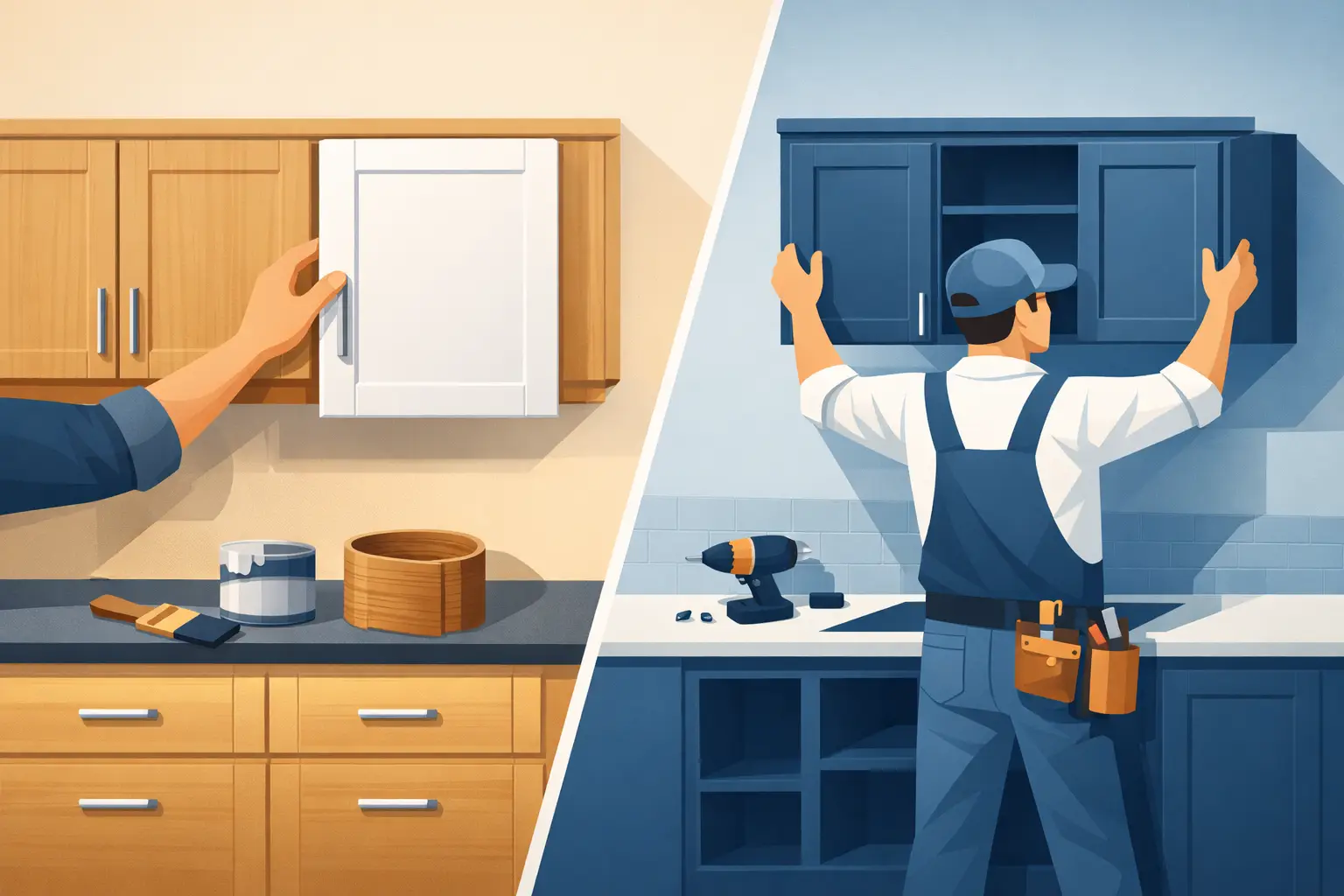
Cabinet refacing keeps the existing cabinet boxes in place. The visible exterior surfaces are updated, typically with new doors, drawer fronts, hardware, and a new finish or veneer on the cabinet frames. From the front, the kitchen can look substantially different, but the underlying cabinet structure and layout stay mostly the same.
Cabinet replacement means removing the existing cabinets and installing new ones. This gives you a clean slate for cabinet size, door style, storage features, and overall layout. It is the more extensive option and usually involves more labor, more materials, and more decisions.
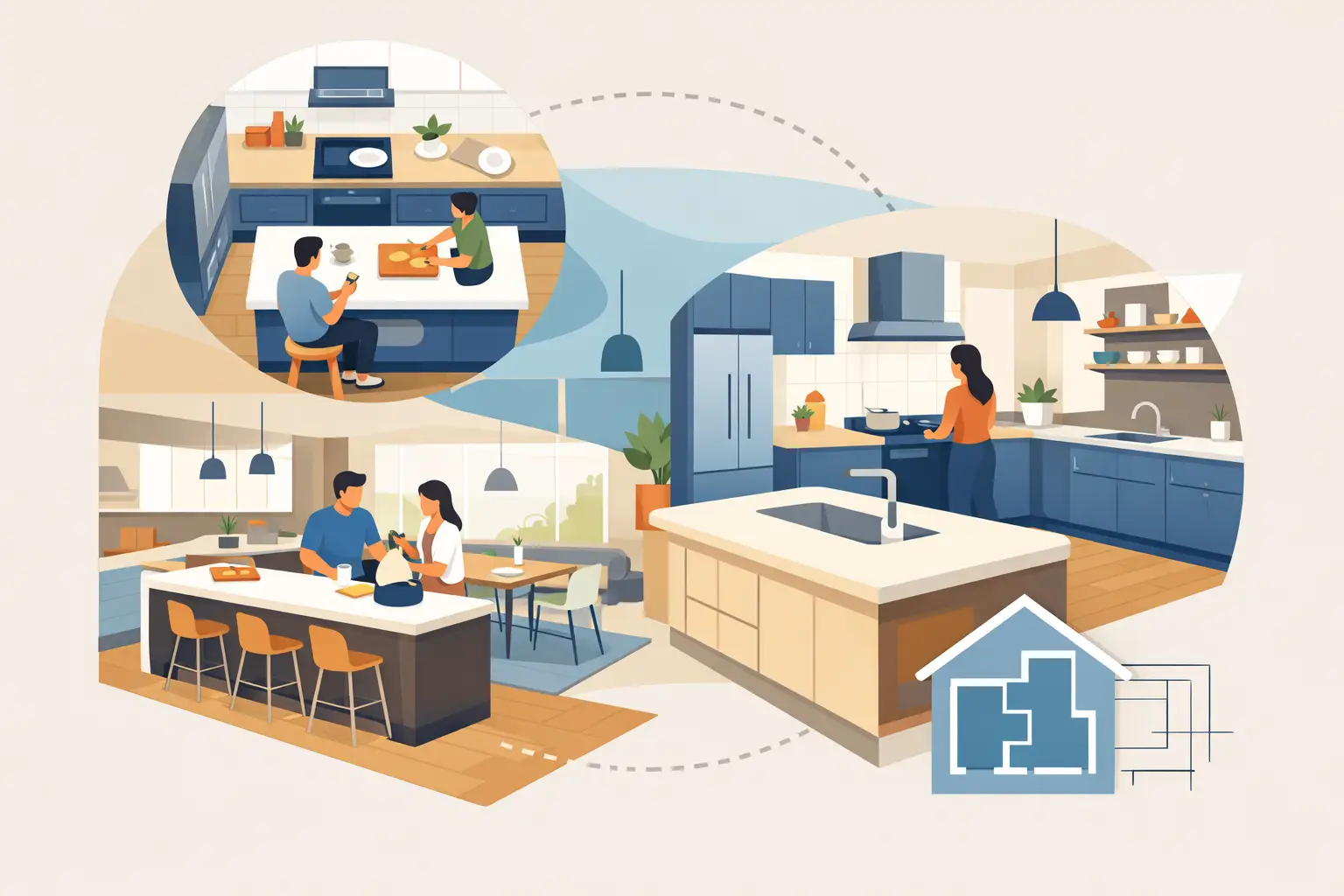
For homeowners, the difference comes down to scope. Refacing is a surface-level upgrade with some practical benefits. Replacement is a structural change that can improve both looks and function.
When refacing makes sense
Refacing works best when your current cabinets are in good shape. The boxes should be solid, level, and free from major water damage, swelling, or broken components. If the doors are dated but the basic cabinet system still works, refacing can be a smart investment.
This option also makes sense when you like your kitchen layout. If the sink, appliances, and cabinet locations already function well for your household, there may be no need to remove everything just to get a new appearance. In that case, refacing can give the room a cleaner, more current look with less disruption.
Budget is another reason many homeowners choose refacing. In general, it costs less than full replacement because much of the existing structure stays in place. That can free up money for other improvements like interior painting, drywall repair, laminate flooring, or updated countertops. If you are trying to improve the whole room without overextending the budget, that matters.
Refacing is also typically faster. Because demolition is limited, the project often moves more efficiently and creates less mess than a full cabinet tear-out. For busy households, that reduced disruption can be a major advantage.
When replacement is the better choice
Replacement is the right move when the cabinets themselves are the problem. If the boxes are weak, warped, water-damaged, poorly installed, or simply worn out, covering them up does not solve much. New doors on failing cabinets will not give you lasting value.
It is also the better option when your kitchen layout needs to change. Refacing does not fix awkward spacing, poor workflow, limited storage, or cabinets that are the wrong size for your needs. If you want to add a pantry cabinet, increase drawer storage, raise upper cabinets, or rework the room around new appliances, replacement gives you that flexibility.
Older kitchens often fall into this category. Homeowners may start out thinking they only want a cosmetic update, then realize the room has deeper issues. Maybe the cabinet depth is inconvenient, the drawers are too small, or the kitchen lacks practical storage for how the family actually lives. In those cases, replacement is usually the more honest solution.
If resale value is part of the goal, replacement can also make sense when the kitchen is significantly outdated. Buyers notice function as much as finish. A kitchen that looks fresh but still has an old layout or weak storage may not perform as well as one that has been fully updated.
Cost differences homeowners should expect
In most cases, refacing costs less than replacement, but cost should be viewed in context. Lower upfront price does not automatically mean better value. The real question is whether the work solves the problems you have.
Refacing can be cost-effective if your cabinets are structurally sound and the main complaint is appearance. You avoid much of the demolition and installation labor tied to a full rebuild. That said, refacing is not a bargain-basement option. Quality doors, drawer fronts, finishes, and hardware still carry real cost, especially if you want a durable result.
Replacement usually costs more because it involves removal, disposal, new cabinetry, and more installation work. If the project also includes drywall repair, painting, flooring transitions, or changes to the kitchen layout, the investment rises further. But in return, you get a full solution rather than a visual update layered over older construction.
For many homeowners, the deciding factor is not the cheapest path. It is whether spending less now will lead to spending more later. If the existing cabinets are near the end of their useful life, replacement often makes more financial sense over time.
Timeline and disruption
One reason cabinet refacing appeals to homeowners is convenience. Since the cabinet boxes stay in place, there is less demolition, less debris, and often a shorter project timeline. That can make life easier if you are living in the home during the work.
Replacement usually takes longer and affects the kitchen more significantly. Removing old cabinets can expose wall damage, uneven surfaces, or floor areas that need attention before new cabinets go in. Those conditions are common in remodeling and are part of why a professional evaluation matters before the job starts.
Still, a longer timeline is not necessarily a drawback if the end result better fits your needs. Homeowners planning a broader kitchen upgrade often choose replacement because it aligns with other improvements and avoids doing the room in stages.
Appearance vs function
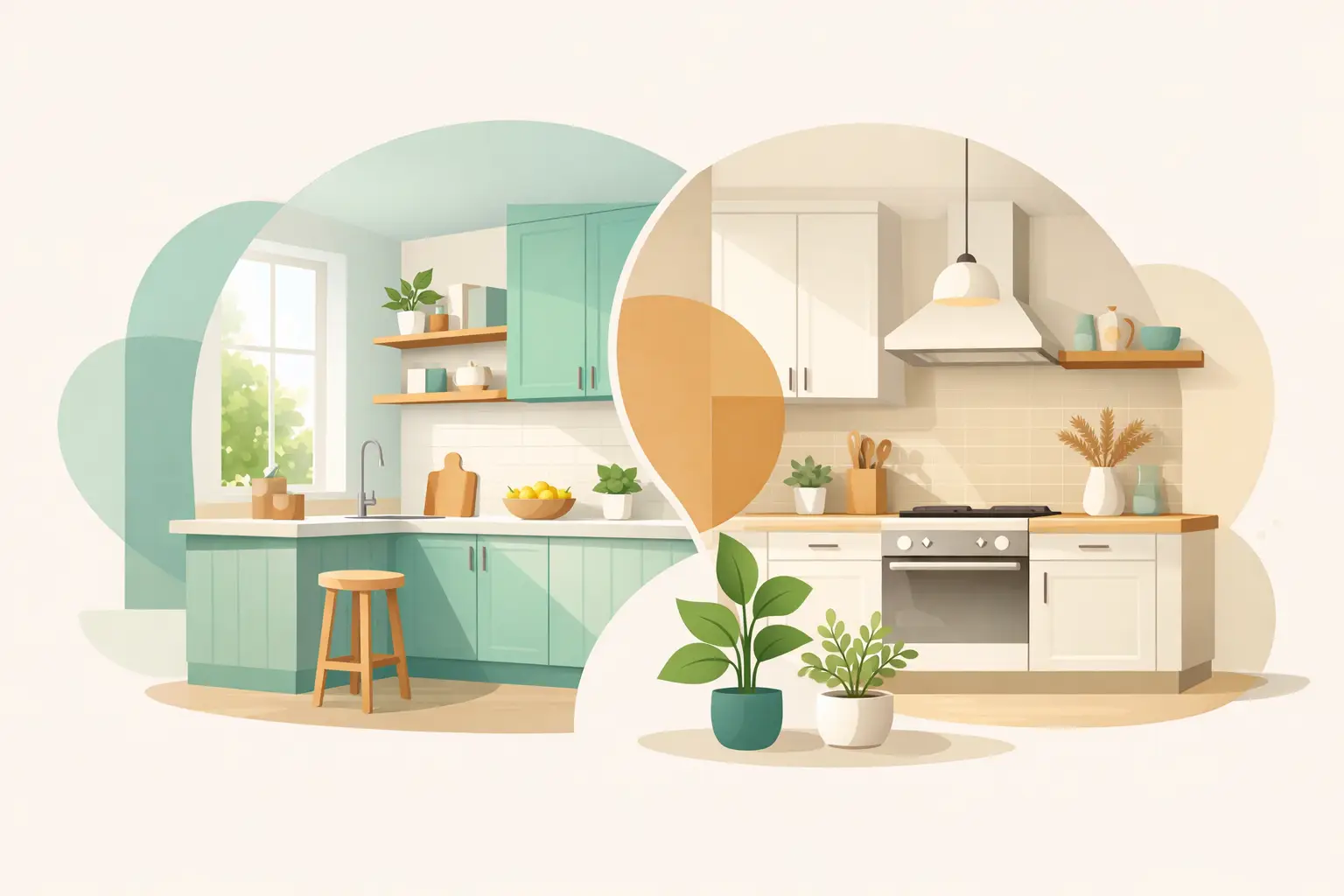
This is where cabinet refacing vs replacement becomes clearer. Refacing is primarily an appearance upgrade. It can modernize style, improve color consistency, and make an older kitchen feel cleaner and more current. For the right cabinets, that may be enough.
Replacement improves appearance too, but it also addresses function. You can add better storage, soft-close features, improved drawer configurations, taller cabinets, or a layout that works better for cooking and daily use. If your frustration with the kitchen goes beyond how it looks, refacing may not go far enough.
Homeowners sometimes regret choosing the cosmetic route when the kitchen still feels inconvenient afterward. A better-looking space is not always a better-working space.
How to decide what your kitchen needs
Start with the condition of the cabinet boxes. If they are solid and the layout works, refacing may be worth considering. If there is damage, instability, poor fit, or limited function, replacement is usually the stronger option.
Next, think about the room as a whole. If you are already updating walls, flooring, or paint, it can make sense to consider whether the cabinets should be fully upgraded at the same time. Remodeling work often overlaps, and handling multiple interior improvements through one experienced contractor can reduce scheduling problems and keep the final result more consistent.
It also helps to be honest about your goals. If you want a fresh look before selling, refacing may be enough in some homes. If this is the kitchen you plan to use for years, replacement may offer better day-to-day value. The right choice depends on how long you plan to stay, how heavily you use the kitchen, and whether your current setup actually supports your household.
At AP Interior Solutions, that kind of decision starts with practical evaluation, not guesswork. Homeowners need clear answers about condition, cost, scope, and what will actually improve the space.
Cabinet refacing vs replacement is not one-size-fits-all
There is no universal winner in cabinet refacing vs replacement. Refacing is a solid option when the cabinets are structurally sound and the goal is a visual update with less disruption. Replacement is the better route when the cabinets are failing, the layout needs work, or long-term function matters as much as style.
A good remodel starts with the real condition of the kitchen, not just the finish on the doors. If you choose the option that matches how the room works and what the home needs next, the result will hold up better long after the project is complete.
Planning a project in South Florida?
AP Interior Solutions remodels kitchens and bathrooms and delivers flawless painting and drywall across Broward, Miami-Dade and Palm Beach. Free in-home estimates, English y español.