
How to Choose Kitchen Cabinets Right
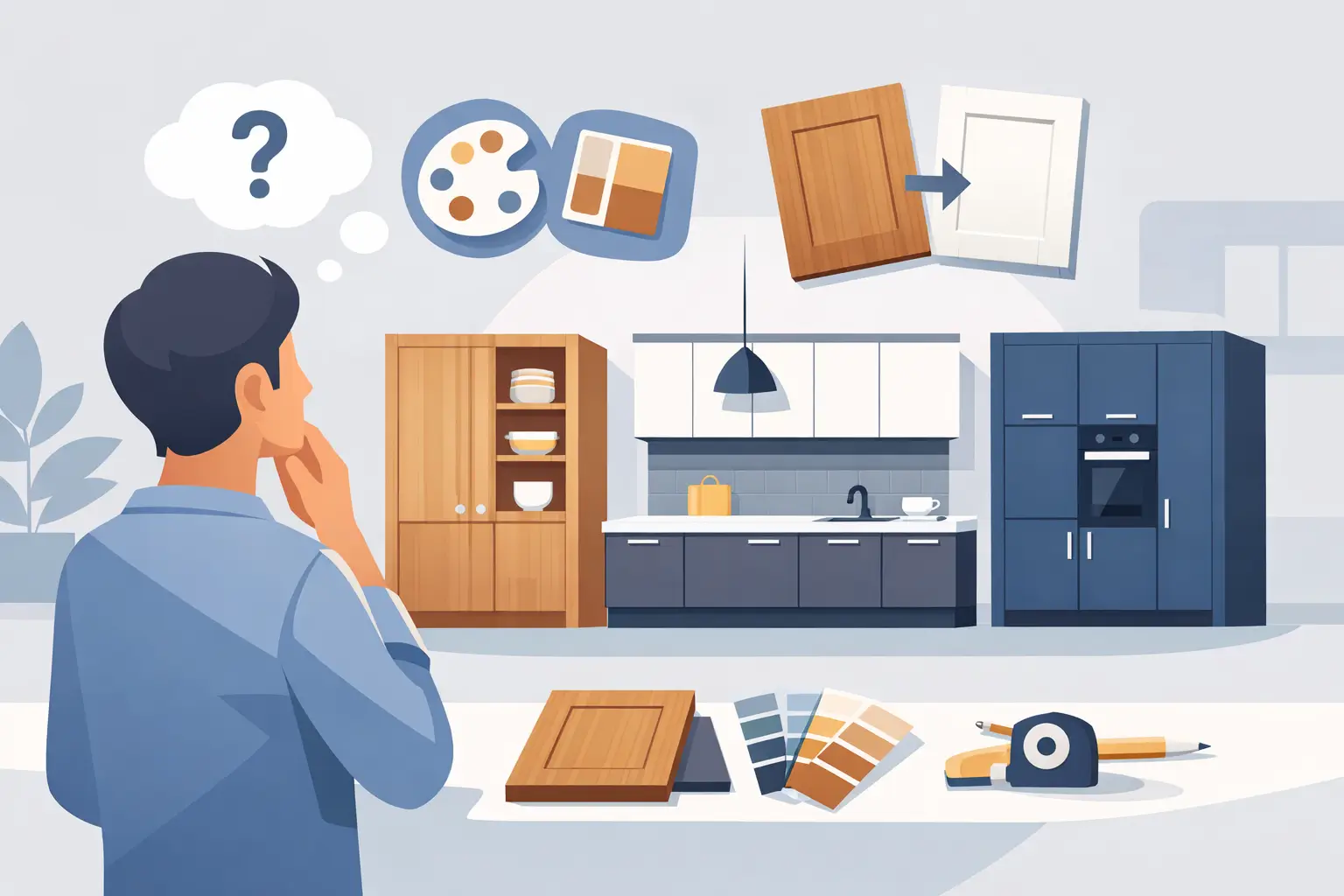
Cabinets take up most of the visual space in a kitchen, but the wrong choice creates more than a style problem. It can lead to poor storage, doors that wear out too fast, wasted layout space, and a remodel that costs more than it should. If you are figuring out how to choose kitchen cabinets, the best approach is to start with function first, then narrow down materials, construction, and finish based on your budget and the way your household actually uses the kitchen.
How to choose kitchen cabinets for your space
A good cabinet plan starts with the room itself. Before looking at colors or door styles, measure the kitchen carefully and look at how the space works day to day. The location of windows, appliances, plumbing, soffits, flooring transitions, and wall conditions all affect what cabinet sizes and configurations make sense.
This is where many homeowners lose money. They focus on appearance and choose a cabinet line too early, only to find out later that the layout needs fillers, custom modifications, drywall repair, or adjustments around uneven walls. In older homes especially, walls may not be perfectly straight, floors may slope, and existing openings may limit what can be installed cleanly.
Think about traffic flow too. A kitchen used by a family every day needs different storage than a smaller kitchen used mostly for light cooking. Deep drawers for pots and pans, trash pull-outs, and pantry storage often improve daily use more than decorative upgrades do.
Start with your budget, not just your wishlist
Cabinet pricing varies widely, and the gap between options is larger than many homeowners expect. Stock cabinets are usually the most budget-friendly. They come in standard sizes, limited finishes, and fewer modifications. Semi-custom cabinets offer more flexibility in dimensions, accessories, and finishes. Custom cabinets give the most control but come with the highest price.
There is no single right answer here. If your kitchen layout is straightforward and standard sizes fit well, stock or semi-custom may be the smarter use of money. If your space has unusual dimensions or you need to maximize every inch, custom may be worth the added cost.
It also helps to think about the full project, not just the cabinets alone. New cabinets often connect to other work such as drywall patching, interior painting, backsplash updates, and flooring transitions. A cabinet decision that looks affordable on paper can become more expensive once surrounding finish work is included.
Choose cabinet construction that matches real use
One of the biggest factors in cabinet performance is construction quality. Homeowners often compare door style and color first, but box construction, drawer hardware, and materials matter more over time.
Plywood cabinet boxes generally hold up better than lower-grade particleboard, especially in kitchens where moisture and heavy use are common. Particleboard is not automatically a bad choice, but quality varies, and cheaper products can be more vulnerable to swelling or fastener failure.
Drawers should feel solid and operate smoothly. Soft-close hardware is now common for a reason - it reduces wear and makes daily use quieter and easier. Full-extension drawer slides are worth serious consideration because they allow access to the entire drawer instead of leaving dead space in the back.
Doors can be solid wood, MDF, plywood, or engineered materials depending on the finish and price point. Painted finishes often perform well on MDF center panels because they resist some of the movement that can cause cracking in solid wood. Stained cabinets often highlight wood grain better, so species selection matters more.
Pick a style that fits the home, not just the trend
Cabinet style should work with the house and the planned finishes around it. A modern slab door can look clean and efficient in the right kitchen, but it may feel out of place in a traditional home. Shaker cabinets remain popular because they are simple, durable-looking, and flexible across many styles.
Trends come and go quickly in kitchens. If resale value matters, avoid making every cabinet decision around what is popular this year. A neutral cabinet style with strong construction is usually a safer investment than a highly specific look that may date the space in a few years.
Color is another area where balance matters. White cabinets can brighten a kitchen and make smaller rooms feel more open, but they also show dirt, scuffs, and wear more easily. Dark cabinets can add contrast and depth, but they may make compact kitchens feel tighter if lighting is limited. Wood tones add warmth and often hide wear better than painted finishes, though the look depends heavily on the species and stain choice.
Storage matters more than most homeowners expect
A kitchen can look good and still be frustrating to use. That is why storage planning should happen before final cabinet selections are made. Think about what you actually need to store and where you use those items.
Pots and pans are usually better in deep drawers near the range. Trash and recycling should be near prep space. Everyday dishes should be easy to reach from the dishwasher. Small appliance storage matters if your counters tend to collect clutter.
Upper cabinets that go to the ceiling can increase storage and create a more finished appearance, but they are not always necessary. In some kitchens, especially lower-ceiling or smaller rooms, standard-height uppers with good spacing may feel less crowded. Glass-front cabinets can break up a wall visually, but they work best when you are comfortable keeping contents organized.
Corner cabinets deserve extra attention. Lazy Susans, pull-out systems, and blind-corner accessories can make awkward spaces more usable, but they add cost. Sometimes a simpler cabinet plan with fewer specialty inserts performs just as well.
Don’t ignore finish durability and maintenance
Kitchens are working rooms. Heat, grease, moisture, and constant opening and closing all affect how cabinets age. A finish that looks great in a showroom may not be the best fit for a busy household with kids, pets, or heavy daily cooking.
Painted cabinets offer a clean, updated look, but they can show chips or hairline cracks over time, especially around joints. Stained finishes tend to hide minor wear better, though darker stains may still show dust and fingerprints. Matte finishes can reduce glare and hide smudges, while higher-sheen finishes may be easier to wipe clean but reveal imperfections more clearly.
Ask practical questions before making a final decision. How easy is the finish to clean? Can a damaged door be reordered later? Will the color still be available if you need to match an added cabinet in the future? Those details matter after installation, not just before it.
Installation quality is just as important as the cabinets
Even good cabinets can look bad if they are installed poorly. Gaps at walls, uneven reveals, misaligned doors, and rough transitions around ceilings or flooring can make a new kitchen feel unfinished.
Proper installation often involves more than setting boxes in place. Walls may need repair, surfaces may need leveling, and trim details need to be handled carefully. If flooring, painting, or drywall work is part of the same remodel, coordination becomes a major part of getting a clean result.
That is one reason many homeowners prefer working with a contractor who can handle multiple interior trades instead of leaving them to coordinate separate crews. For a kitchen remodel, cabinet installation affects everything around it.
Common mistakes when choosing kitchen cabinets
The most common mistake is choosing based on appearance alone. The second is underestimating how much the existing room conditions affect the final result. A beautiful cabinet line will not fix a poor layout or solve storage problems by itself.
Another mistake is overloading the design with expensive features that do not improve everyday use. Specialty organizers, decorative end panels, and glass accents can be worthwhile, but only after the main needs are covered. Spend first on quality construction, a practical layout, and reliable installation.
It is also smart to avoid sizing decisions that are too tight around appliances. Refrigerators, dishwashers, and ranges need proper clearance, and manufacturer specs should guide those details. Small planning errors here can create long delays during installation.
Making the final decision
If you want to know how to choose kitchen cabinets with fewer surprises, narrow the decision down in this order: layout, storage needs, budget, construction quality, finish, and style. That order keeps the project grounded in daily function instead of impulse choices.
Bring real measurements, appliance information, and photos of the kitchen into the planning process. Be honest about how you cook, how much storage you need, and how much maintenance you are willing to deal with. A cabinet choice should not just photograph well. It should hold up, fit the room, and make the kitchen easier to use every day.
A good cabinet plan does not have to be flashy to add value. It just has to be well built, well planned, and right for the way your home actually works.
Planning a project in South Florida?
AP Interior Solutions remodels kitchens and bathrooms and delivers flawless painting and drywall across Broward, Miami-Dade and Palm Beach. Free in-home estimates, English y español.