How to Remodel Kitchen Cabinet the Right Way
A kitchen usually tells you what is wrong before you ever start demolition. Doors stop lining up. Hinges loosen. The finish looks tired. Storage does not match how your family actually uses the space. If you are searching for how to remodel kitchen cabinet areas, the real question is not just how to change the look. It is how to improve function, durability, and the overall flow of the room without creating extra problems.
For most homeowners, cabinet remodeling falls into three paths. You can refresh what you have, you can rework parts of the existing cabinet system, or you can replace everything. The best choice depends on cabinet condition, layout limitations, budget, and whether other kitchen work is happening at the same time, such as drywall repair, painting, or new flooring.
How to remodel kitchen cabinet spaces starts with evaluation
Before picking colors or door styles, inspect the cabinet boxes themselves. If the cabinet frames are solid, level, and free of major water damage, a remodel may be more straightforward than you think. If the bases are swollen, sagging, or poorly installed, cosmetic work alone will not hold up.
Look closely at the areas around the sink, dishwasher, and lower corners. These spots often show the first signs of moisture damage. Open every door and drawer. If drawers drag, shelves bow, or hinges are pulling out of stripped screw holes, those issues need to be part of the remodel plan.
This stage also tells you whether your problem is appearance or performance. Some kitchens have cabinets that still function well but need updated doors, paint, and hardware. Others have cabinets that look acceptable from a distance but waste space and make daily use frustrating.
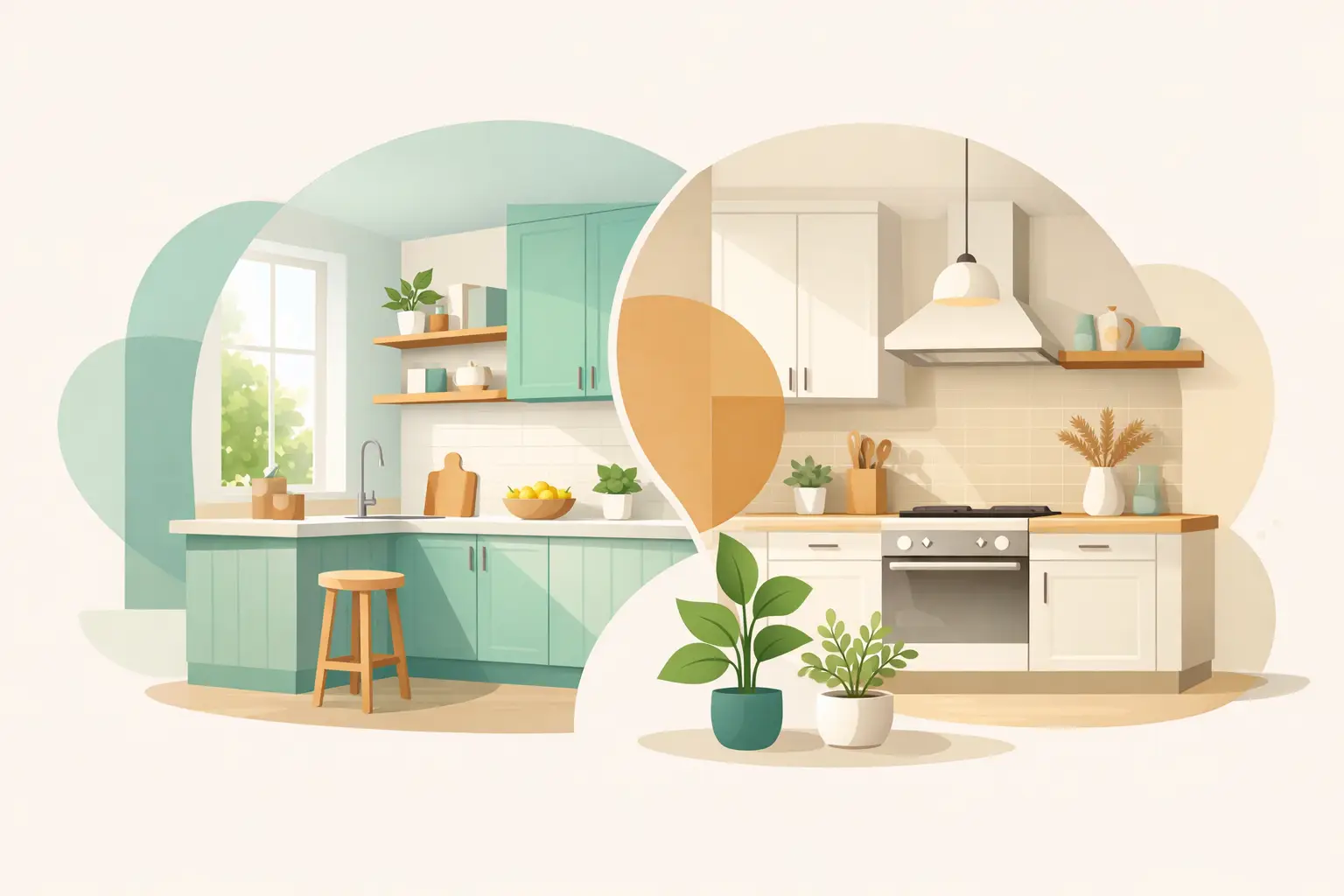
Decide whether to repaint, reface, or replace
A full replacement is not always necessary. In many kitchens, repainting or refacing can deliver a strong visual upgrade at a lower cost. The right option depends on the cabinet structure and your expectations.
Repainting works best when the cabinet boxes and doors are in good shape and you are happy with the current door style. A quality paint job on cabinets is more involved than wall painting. Surfaces need proper cleaning, sanding, repair, primer, and finish coats that can handle repeated use. Done correctly, it can make an older kitchen feel current. Done poorly, it chips fast.
Refacing is a step up from repainting. It usually means keeping the cabinet boxes but replacing doors, drawer fronts, and exterior veneer surfaces. This is useful when the layout still works but the cabinet faces look dated. It can create a more complete transformation without removing every cabinet.
Replacement makes sense when the layout is inefficient, cabinet boxes are damaged, or you want a different configuration. If you need deeper drawers, added pantry storage, or better appliance spacing, replacing cabinets may save time and money compared with trying to force old units into a new plan.
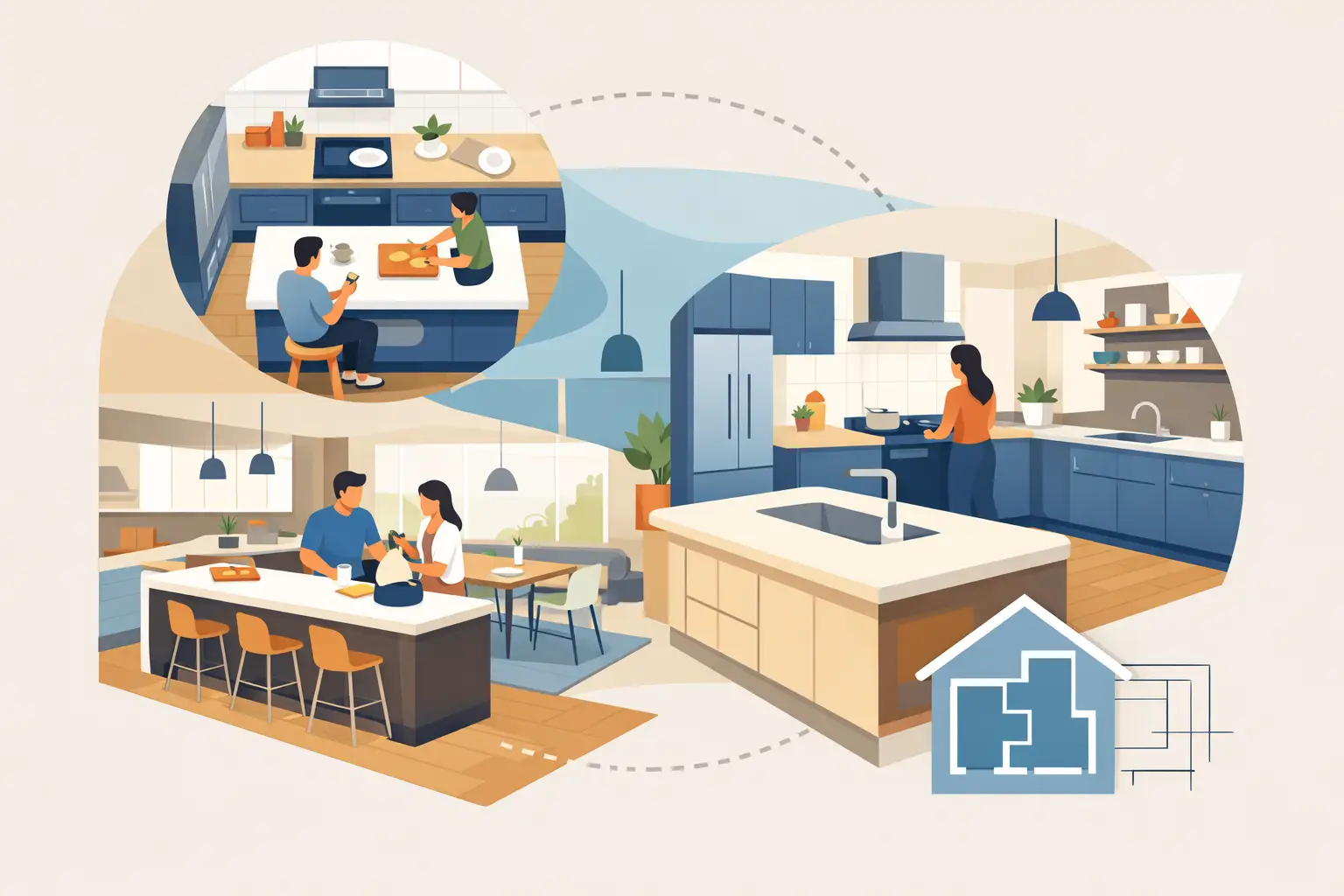
Layout matters more than many homeowners expect
One of the biggest mistakes in cabinet remodeling is focusing only on finish selection. Paint color and hardware matter, but cabinet layout has a bigger effect on how the kitchen works every day.
Think about where you prep food, where small appliances live, and how often people move through the room at the same time. A cabinet remodel is a chance to correct daily frustrations. That could mean replacing lower shelves with drawers, adding a trash pull-out near prep space, or adjusting upper cabinet height for better reach.
If flooring, drywall, or wall repair is also part of the job, cabinet changes should be planned together. That coordination helps avoid issues like mismatched floor heights, exposed wall patches, or cabinet spacing problems around trim and appliances. This is one reason many homeowners prefer working with one remodeling company that can handle multiple interior trades instead of piecing together separate crews.
How to remodel kitchen cabinet finishes for long-term durability
Cabinet finishes take more abuse than many surfaces in the home. Grease, moisture, hand oils, cleaning products, and impact from dishes all wear them down. That is why cabinet finishing should be treated as a durability decision, not just a color decision.
For painted cabinets, prep work is everything. Grease must be removed fully, damaged areas need repair, and glossy surfaces have to be prepared so primer and paint bond correctly. A rushed paint job may look good for a few weeks, then start peeling around handles and corners.
For stained or wood-finish cabinets, the condition of the existing surface matters. Some can be refinished successfully, while others have too much wear or low-grade material to justify the labor. Laminate and thermofoil cabinets can also be more difficult to update, especially if the surface is already peeling.
Hardware should be part of the finish plan. New knobs and pulls can improve both appearance and daily use, but hole spacing needs to be considered before ordering. Switching from one hardware style to another may require patching, drilling, or using backplates to keep the doors looking clean.
Storage upgrades make the remodel more useful
Cabinet remodeling should solve practical problems, not just visual ones. Storage improvements often deliver the most noticeable return because they change how the kitchen functions every day.
Deep drawers are usually easier to use than lower cabinets with fixed shelves. Pull-out trays reduce the need to reach into dark corners. Vertical dividers can help organize trays and cutting boards. In narrower areas, slim pull-outs can turn wasted gaps into usable storage.
Upper cabinets can also be improved. If they stop short of the ceiling, you may be leaving storage space unused and collecting dust in a hard-to-clean area. In some kitchens, extending cabinet height creates a more finished look while adding room for seasonal or less-used items.
The right storage upgrades depend on the household. A family that cooks daily needs different cabinet solutions than a homeowner who wants a clean, simple kitchen for resale. There is no single best layout for everyone, which is why cabinet remodeling works better when it starts with how the space is actually used.
Budgeting for cabinet remodeling without surprises
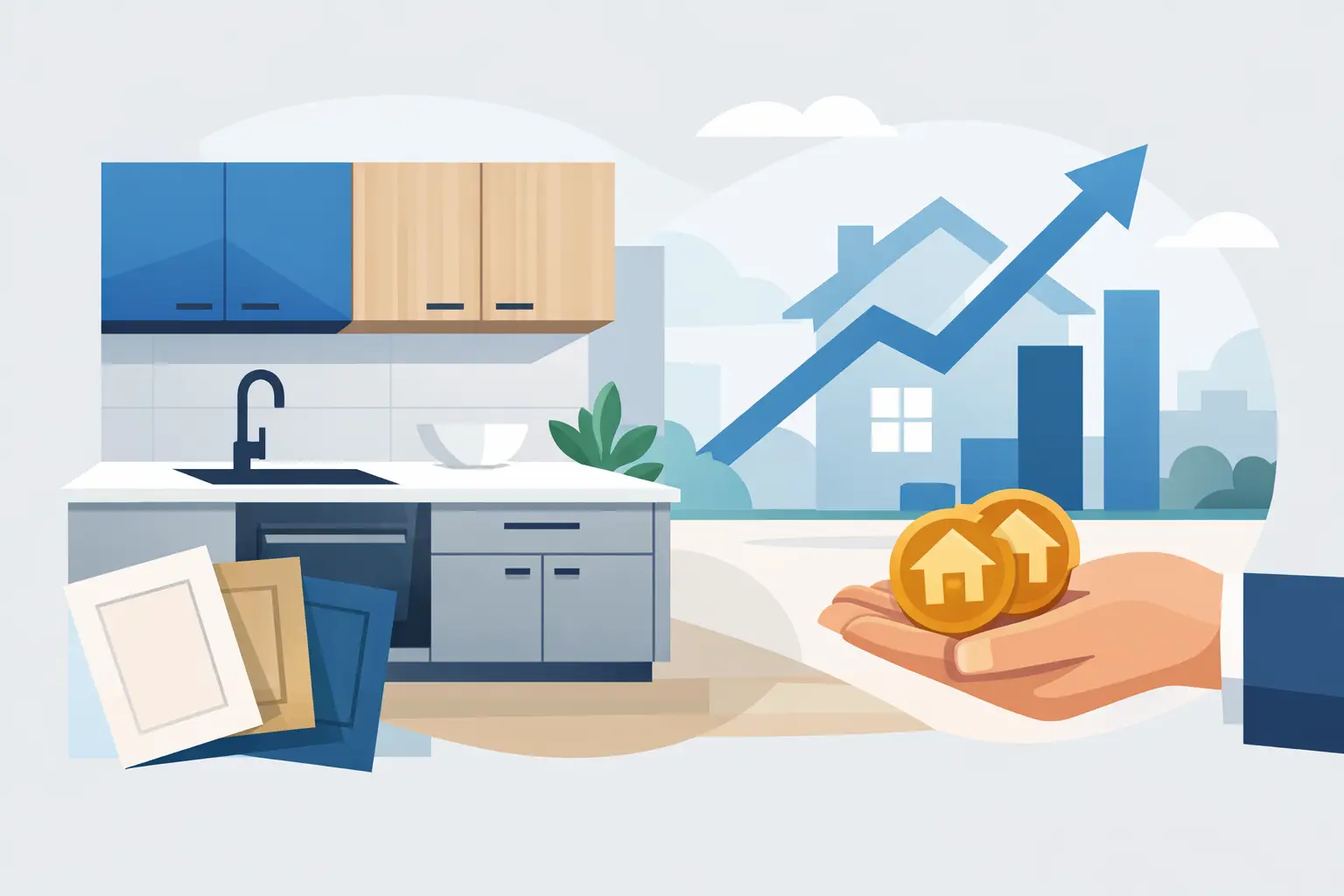
Costs vary widely because cabinet remodeling can mean anything from repainting and hardware replacement to full removal and installation. The price is shaped by cabinet condition, material quality, layout changes, finish level, and whether surrounding surfaces also need work.
The hidden costs usually show up in preparation and correction work. Once cabinets come off the wall, there may be drywall damage behind them. If the floor is being replaced, cabinet installation may affect how the flooring is staged. Electrical or plumbing adjustments can also become part of the project if appliances or sink cabinets are changing.
That does not mean the job has to expand beyond control. It means the estimate should reflect real conditions. A dependable contractor will explain what is included, what assumptions are being made, and where additional repairs could come into play if hidden damage is found.
When professional help is the better choice
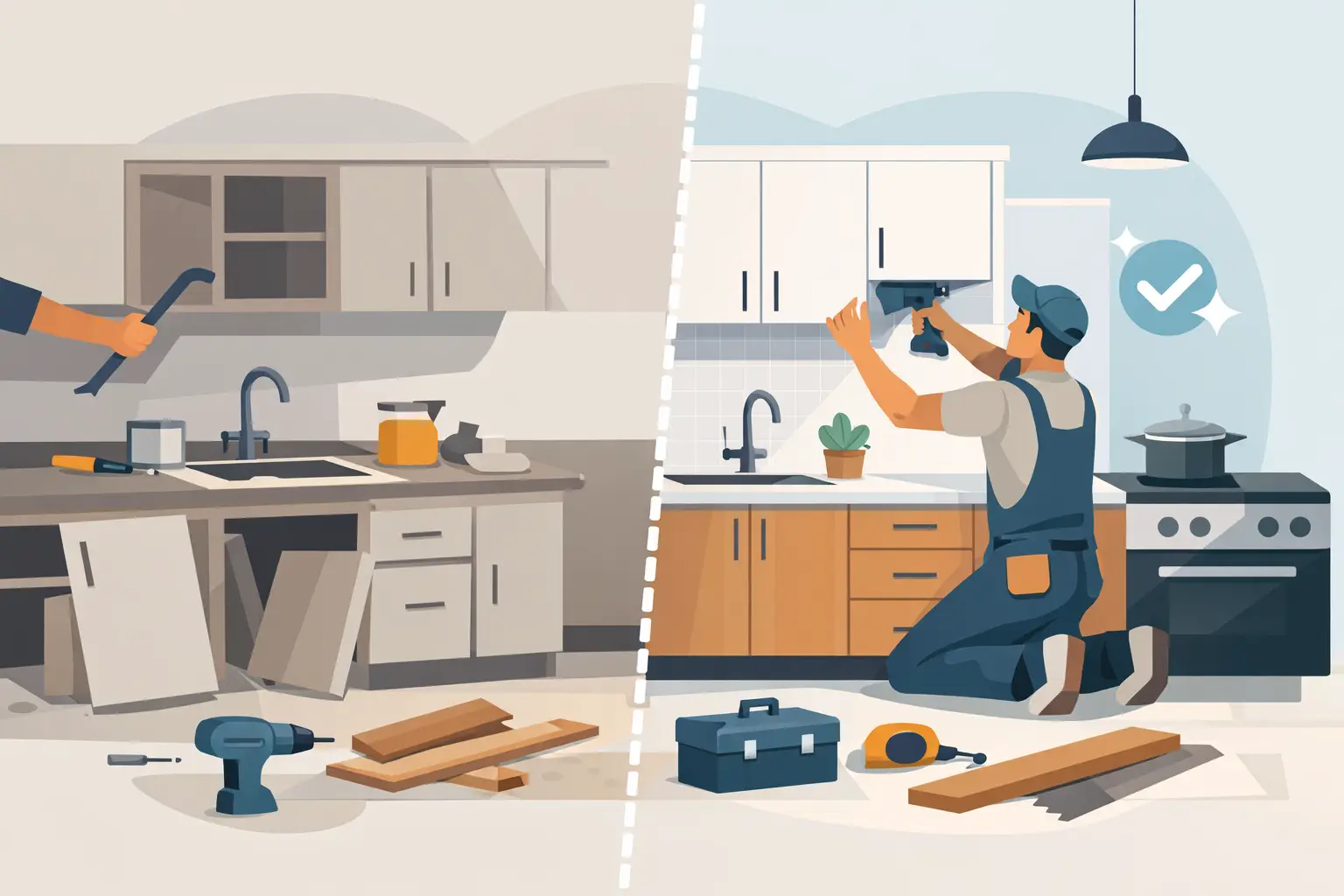
Some homeowners can handle light cabinet updates, especially hardware swaps or minor cosmetic changes. But full cabinet remodeling often involves more than carpentry. It may include wall repair, precise leveling, finish work, painting, trim adjustments, and coordination with flooring or other interior improvements.
Cabinets have to be installed square and secure or the problems show up quickly. Doors will not align. Countertops may not fit right. Gaps become visible. If the remodel includes repainting, the quality of surface prep and spray or brush application also makes a major difference in the final result.
For homeowners who want an efficient project with fewer handoff issues, it helps to work with a company that understands the full interior picture. AP Interior Solutions approaches cabinet remodeling as part of the room, not as an isolated task. That matters when the project also includes painting, drywall, or flooring updates that need to come together cleanly.
A better cabinet remodel starts with clear priorities
If you are planning how to remodel kitchen cabinet areas, start by deciding what you need the project to fix. Better storage, updated appearance, damaged cabinet repair, and improved layout are all valid goals, but they do not all point to the same solution.
The smartest remodel is not always the biggest one. Sometimes a solid repaint and hardware update is enough. Sometimes refacing gives you the look you want without changing the footprint. Sometimes replacement is the only practical route because the old cabinets are no longer worth saving.
What matters most is matching the work to the condition of the kitchen and the way your household uses it. A cabinet remodel should leave you with a kitchen that works better on busy mornings, holds up to daily use, and feels worth the investment every time you walk into the room.
When the plan is practical from the start, the finished result tends to look better too.
Planning a project in South Florida?
AP Interior Solutions remodels kitchens and bathrooms and delivers flawless painting and drywall across Broward, Miami-Dade and Palm Beach. Free in-home estimates, English y español.