Kitchen Design 2026 Trends That Last
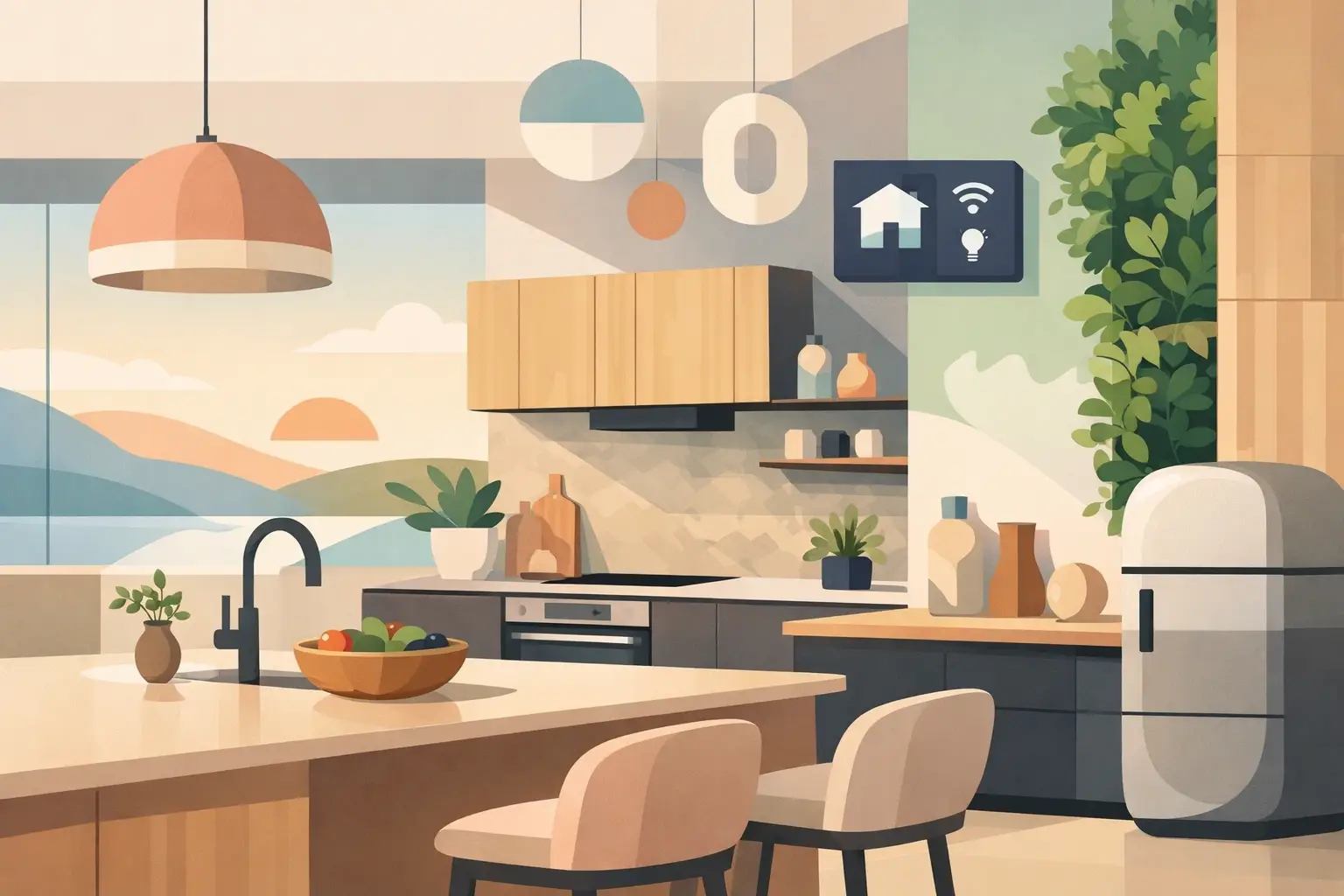
If your kitchen still looks good in photos but frustrates you every morning, that matters more than any trend report. The strongest kitchen design 2026 trends are not about flashy upgrades. They are about making the room work better for real households - better storage, easier cleaning, stronger materials, and finishes that still look current a few years from now.
For homeowners planning a remodel, that is good news. The direction for 2026 is practical. Design is moving away from cold, over-styled kitchens and toward spaces that feel warmer, more useful, and easier to live with. If you are updating cabinets, replacing damaged walls, painting, or installing new flooring, these trends can help you make choices that look current without locking you into something short-lived.
Kitchen design 2026 trends are getting more practical
The biggest shift is simple: homeowners want kitchens that perform well every day. That means storage that fits how people actually cook, materials that handle heavy use, and layouts that reduce clutter instead of creating it.
This is one reason all-white, high-gloss kitchens are losing ground. They can still work in some homes, especially smaller spaces that need brightness, but many homeowners are asking for more warmth and more texture. Soft wood tones, painted cabinets in muted colors, matte finishes, and layered lighting are replacing the sharper, more sterile look that dominated for years.
That does not mean the kitchen has to become dark or heavy. It means balance. Bright rooms still matter, especially in Florida homes, but now the goal is a kitchen that feels lived in and durable, not one that looks like it should never be touched.
Warmer cabinet colors are replacing stark contrast
Cabinet design is one of the clearest places where 2026 is heading. Bright white cabinets are not disappearing, but they are being used more carefully. Homeowners are mixing in warmer neutrals like mushroom, greige, taupe, soft olive, and muted blue. Natural-looking wood finishes are also coming back, especially in lower cabinets or island bases.
This works well because cabinets take up a large share of the visual space in a kitchen. When the color is too sharp or trendy, the whole room dates faster. Softer cabinet colors tend to age better and work with more flooring, wall paint, and countertop options.
Two-tone kitchens are still around, but the contrast is becoming less dramatic. Instead of white uppers and very dark lowers, many remodels are using close tonal combinations. For example, warm off-white wall cabinets paired with light oak or a soft gray-green island. The overall look is quieter and easier to live with.
If you are replacing cabinetry, this is also a good time to think beyond color. Door style matters. Simple shaker profiles remain strong because they are versatile and easier to maintain than heavily detailed doors. Flat-panel cabinets also fit modern homes well, but they can feel too plain in some spaces unless the finish quality is strong. It depends on the home, the lighting, and the rest of the interior.
Storage is becoming a design priority, not an afterthought
A kitchen can have expensive finishes and still fail if storage is poorly planned. One of the most useful kitchen design 2026 trends is the focus on hidden function. More homeowners want cabinets built around specific needs rather than generic shelf space.
Deep drawers for pots and pans, pull-out trash storage, tray dividers, corner solutions, pantry organization, and appliance garages are all gaining attention. These are not luxury extras for the sake of appearance. They help reduce countertop clutter and make the kitchen easier to use.
This is especially important in remodels where the footprint stays the same. You may not be expanding the room, but you can still improve how it works by changing cabinet configuration. A better drawer layout, taller upper cabinets, or a pantry wall can do more for daily function than a decorative upgrade ever will.
For families, smart storage also supports cleaner routines. When everything has a place, the kitchen stays more organized with less effort. That is one reason practical remodeling choices tend to hold value better over time.
Surfaces are shifting toward durability and lower maintenance
Homeowners are asking tougher questions about wear, cleaning, and repair. That is shaping finish choices across the kitchen.
Countertops are still expected to look good, but the demand is moving toward materials that can handle regular use with less upkeep. Busy patterns are giving way to cleaner looks with softer movement. The goal is a surface that hides normal mess without making the room feel busy.
Backsplashes are also becoming simpler. Full-height slab-style looks remain popular, but they are not the right fit for every budget. Larger-format tile and straightforward layouts are a practical alternative because they create a cleaner appearance with fewer grout lines to maintain.
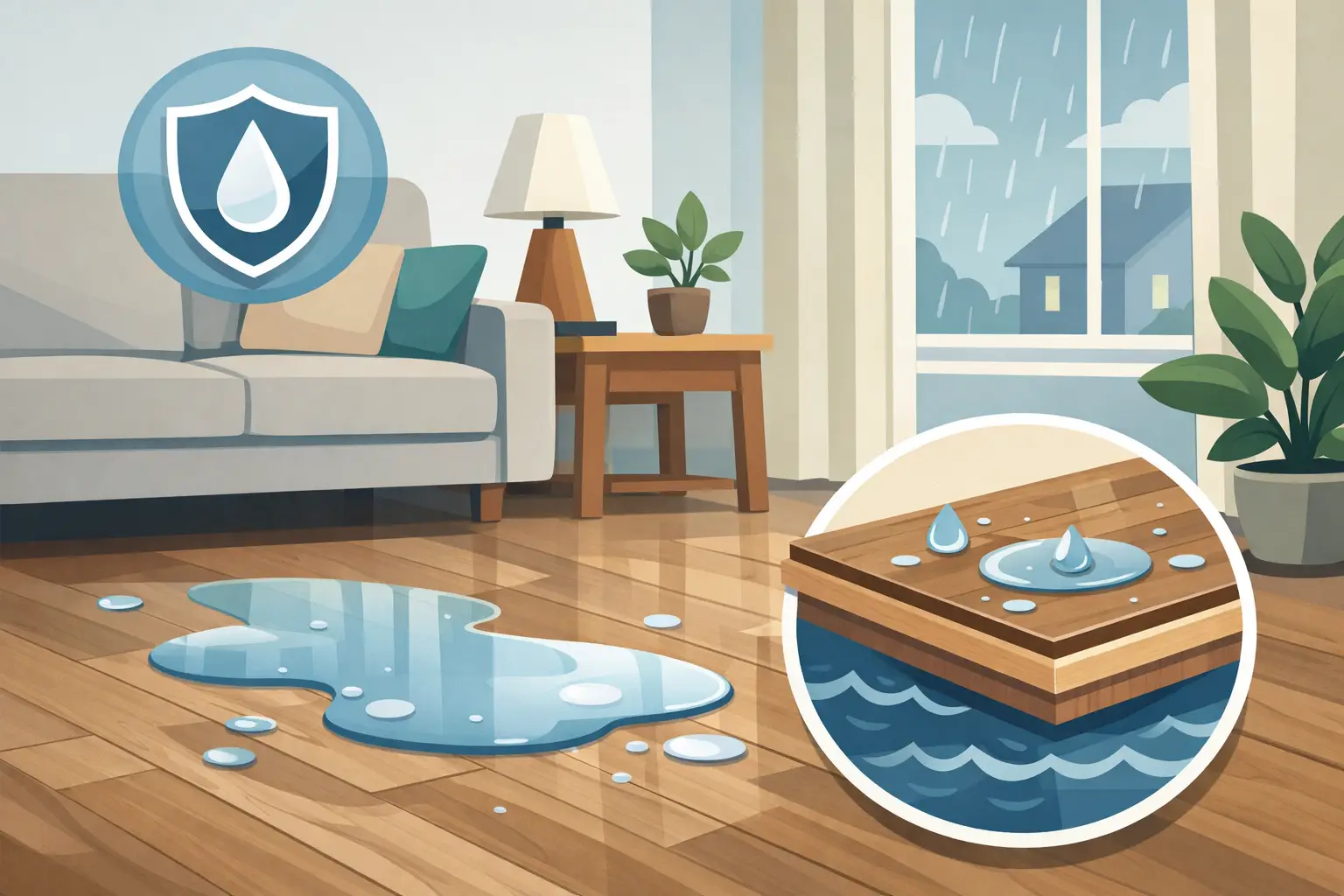
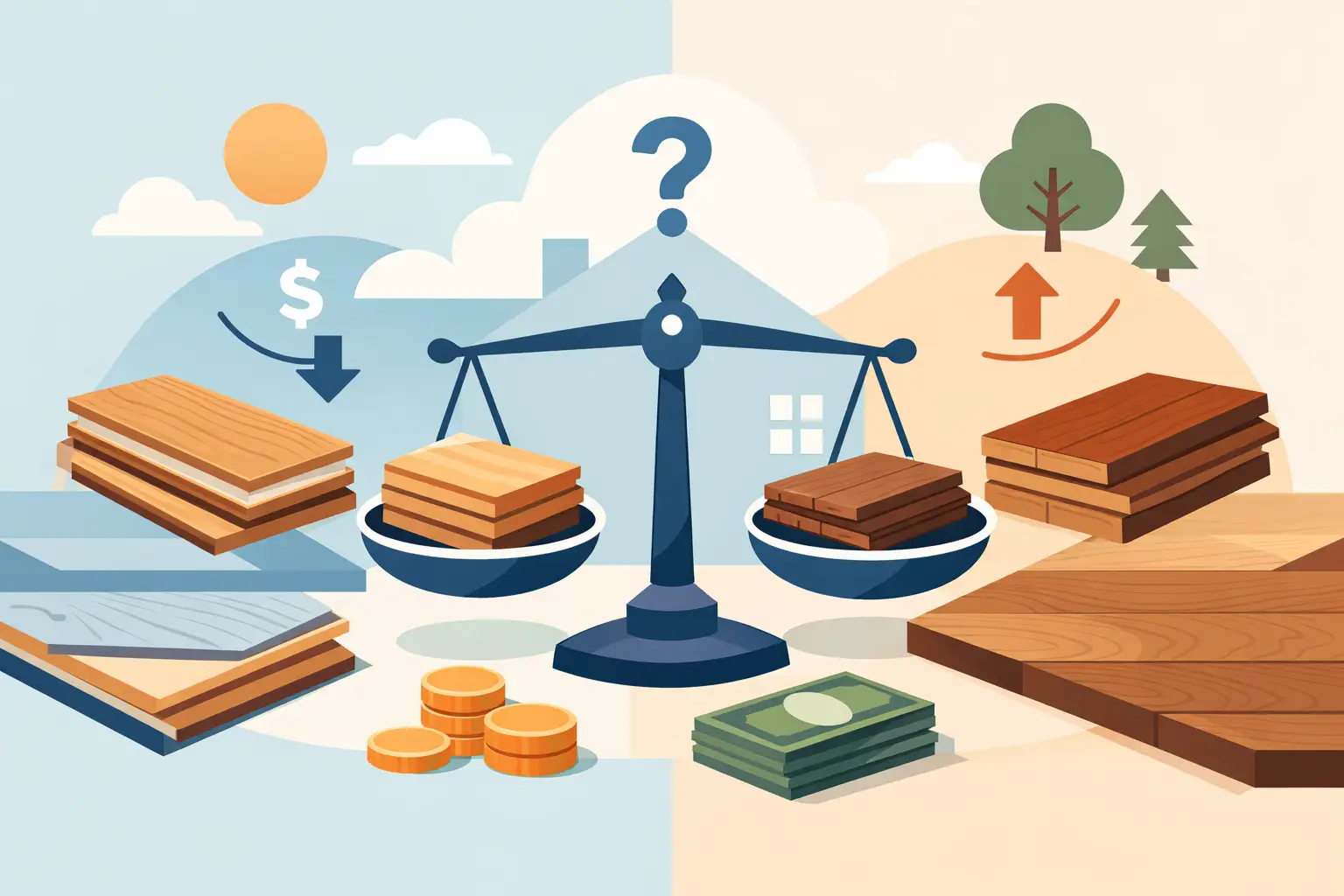
On the floor, homeowners are paying more attention to durability, water resistance, and visual consistency with the rest of the house. That is one reason laminate and similar hard-surface options continue to appeal to remodeling clients who want an updated look without choosing materials that are harder to maintain. The right floor needs to work with cabinet tone, wall color, and traffic level. A trendy floor that fights the rest of the home is rarely a smart investment.
Texture is in, but it needs to be controlled
One common mistake in kitchen updates is trying to make every surface stand out. In 2026, the better approach is selective texture.
Wood grain, matte cabinet finishes, subtle wall color variation, brushed hardware, and soft visual movement in countertops can make a kitchen feel more finished and less flat. But too many statement elements at once create a crowded result. If your cabinets have strong grain, the backsplash should probably stay quieter. If the counters have bold movement, the wall paint and hardware should support rather than compete.
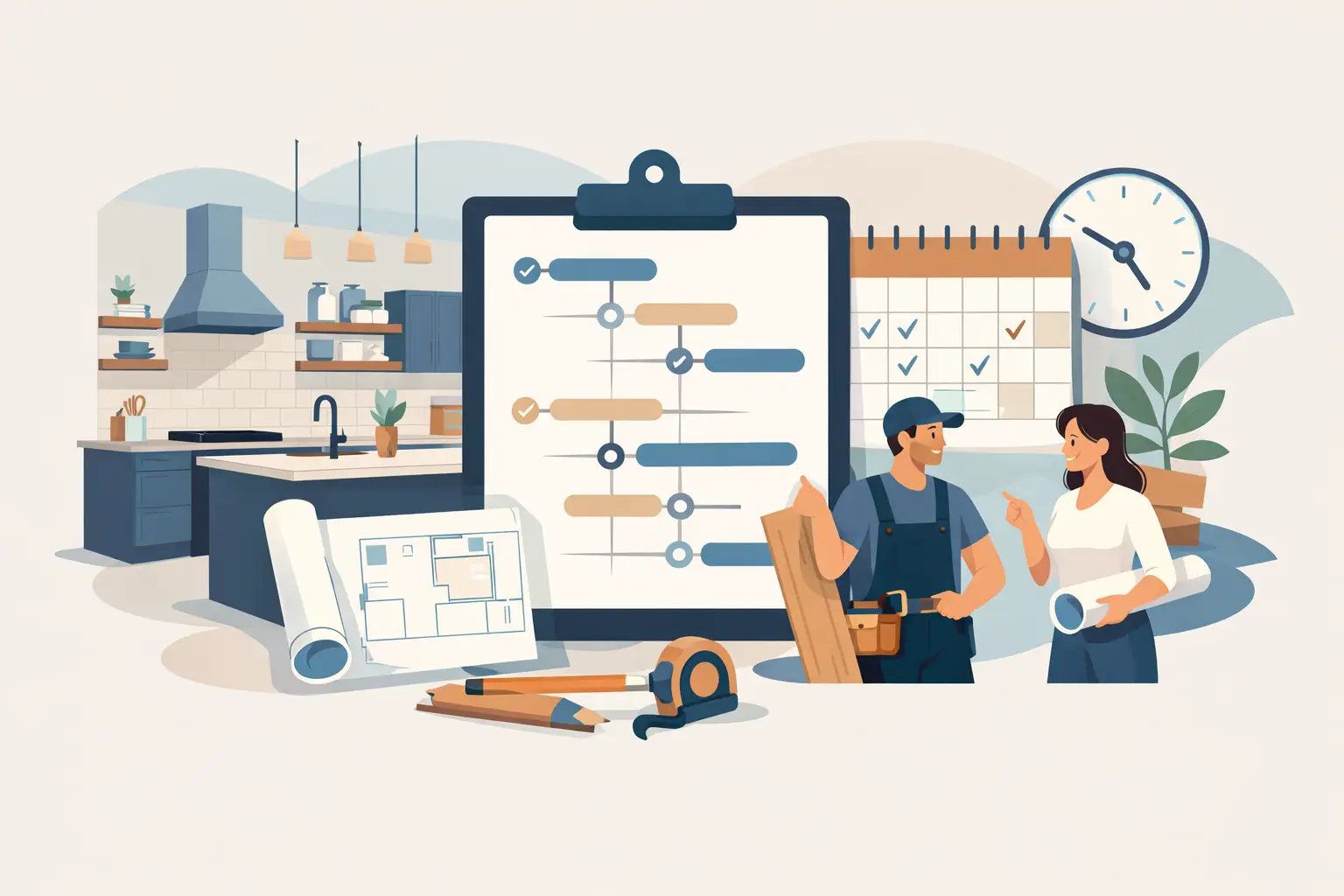
This is where remodel planning matters. Good kitchens are built through coordination across trades, not by picking attractive pieces one at a time. Drywall finish quality, paint color, cabinet installation, and flooring all affect how the final kitchen reads. A clean paint line and properly prepared walls do as much for the finished look as the more visible design selections.
Lighting is getting layered and more task-focused
One ceiling fixture in the center of the room is no longer enough, especially in kitchens that serve as work zones, gathering spaces, and high-traffic family areas.
Current layouts are using layered lighting more intentionally. Recessed lights handle overall visibility, under-cabinet lighting improves prep areas, and pendants add focused light over islands or seating zones. The trend is less about decorative drama and more about making sure the room functions at every hour of the day.
Warmer light temperatures are also helping kitchens feel less harsh. That pairs well with the broader move toward warmer finishes and away from stark contrast. Still, lighting has to fit the room. Too warm can make whites look muddy, while overly cool light can make a nicely finished kitchen feel clinical.
Kitchen design 2026 trends favor flexible layouts
Not every homeowner is tearing down walls, and not every kitchen benefits from a fully open plan. One of the more realistic design shifts for 2026 is that people are thinking harder about zoning.
Open kitchens remain popular, but homeowners also want definition. Islands are doing more work as prep stations, storage centers, and casual dining spaces. In some homes, partial separation between kitchen and living areas makes the space function better by containing mess and noise without closing the room off completely.
This is where layout decisions need honesty. A large island sounds appealing, but if it reduces walkway space, it hurts function. Extra cabinets are useful, but not if they make appliance doors collide or crowd the room. Good remodeling is not about adding everything possible. It is about fitting the right elements to the actual space.
What homeowners should prioritize before following trends
Trends are helpful, but they should never outrank the condition of the room itself. If your walls need repair, your cabinet layout wastes space, your paint is worn, or your flooring is failing, those issues should come first. A kitchen feels updated when the basics are done well.
Before choosing colors or finishes, think about what frustrates you now. Is it lack of storage, poor lighting, damaged surfaces, or a layout that slows you down? Those answers should guide the remodel. The best-looking kitchen is usually the one that solves real problems.
For many homeowners, the smartest path is to combine lasting design choices with solid core improvements. Cabinet replacement, drywall repair, interior painting, and new flooring often work best when planned together, because each decision affects the next. That kind of coordination usually leads to a cleaner result and fewer delays.
At AP Interior Solutions, that practical approach is exactly how kitchen updates should be handled. Homeowners do not need design for design's sake. They need a finished room that looks better, works better, and holds up.
If you are planning a kitchen remodel for 2026, aim for choices that make daily use easier first. A warm cabinet color, better storage, cleaner lighting, and durable finishes will stay relevant long after short-term trends move on.
Planning a project in South Florida?
AP Interior Solutions remodels kitchens and bathrooms and delivers flawless painting and drywall across Broward, Miami-Dade and Palm Beach. Free in-home estimates, English y español.