
Kitchen Remodeling Cost: What Homeowners Pay
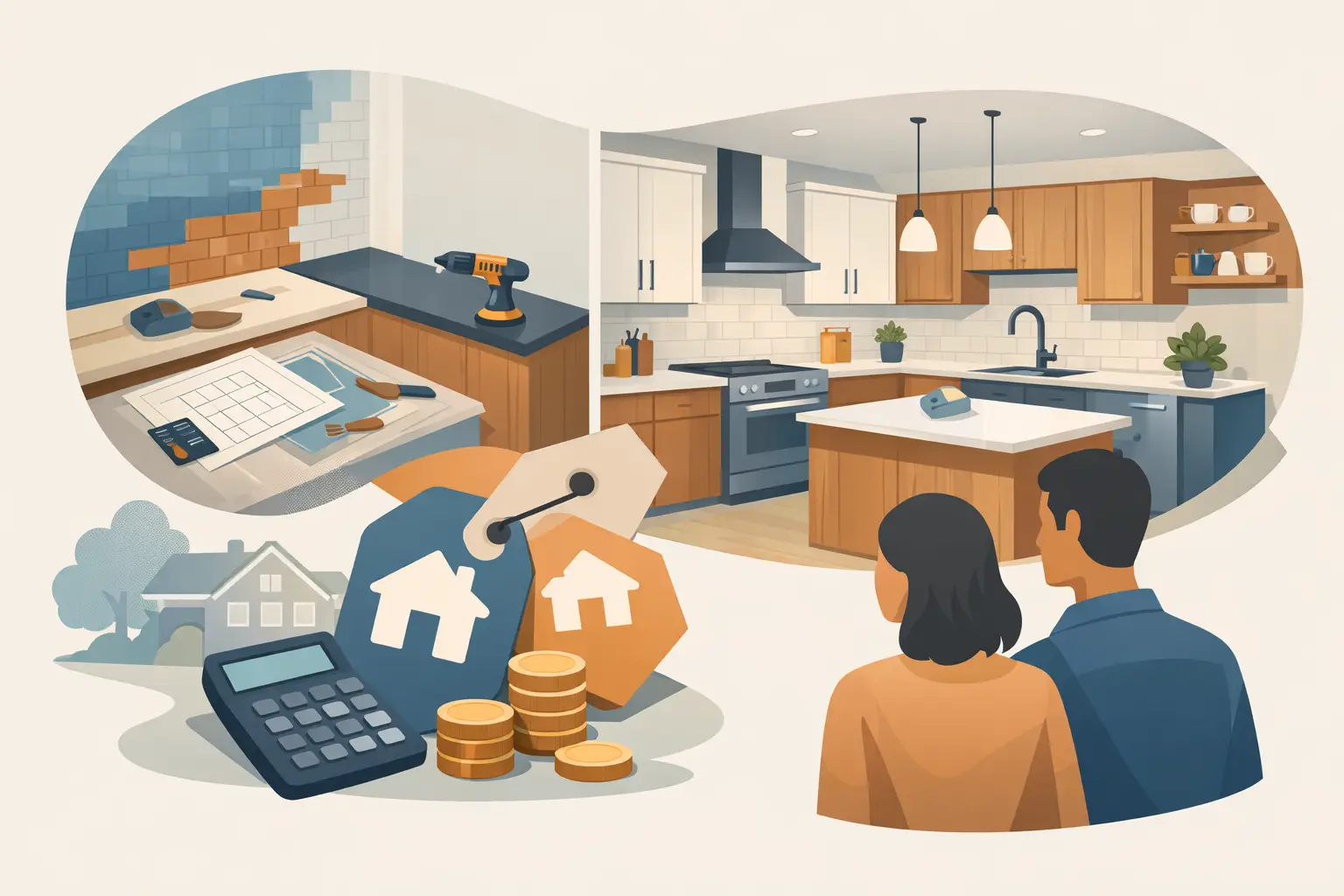
A kitchen quote can swing by thousands of dollars before you change a single finish. That is why kitchen remodeling cost is not one fixed number - it depends on the scope of work, the materials you choose, and whether the layout stays put or gets reworked.
For most homeowners, the real question is not just, "What does a kitchen remodel cost?" It is, "What am I paying for, and which upgrades actually matter?" If you understand how cabinets, drywall, flooring, painting, and installation labor affect the budget, it becomes much easier to plan a project that improves the space without overspending.
What affects kitchen remodeling cost most?
The biggest price driver is scope. A cosmetic update costs far less than a full tear-out with new cabinets, flooring, wall repairs, and finish work. If the project keeps the existing layout, you usually save on labor and avoid the extra cost that comes with moving plumbing, electrical, or major structural elements.
Cabinet work is often one of the largest portions of the budget. New cabinets can quickly raise the total, especially if you are changing the kitchen footprint or adding more storage. If your current cabinet layout still works, replacing only damaged sections or focusing on a practical cabinet installation plan can help control the final number.
Wall condition also matters more than many homeowners expect. Once old cabinets, backsplash, or trim come off, drywall problems often show up. Repairs, patching, or full drywall installation may be needed before painting and finish work can begin. That is a normal part of remodeling, but it does affect the budget.
Flooring is another major variable. If the kitchen floor is worn, uneven, or outdated, replacing it can make the whole room feel new. Laminate flooring is often a practical option for homeowners who want a clean updated look with a more controlled material cost than some premium surfaces.
Typical kitchen remodeling cost ranges
A light kitchen remodel usually covers surface-level improvements. Think painting, minor drywall repair, flooring replacement, fixture updates, and possibly limited cabinet changes. In many markets, that kind of project may fall into a lower budget range compared with a complete renovation.
A mid-range remodel often includes new cabinets, more extensive finish updates, fresh paint, flooring, and moderate repairs behind the walls. This is the level where many homeowners see the best balance between visual improvement and project cost.
A full kitchen renovation is the most expensive tier. That usually involves demolition, layout changes, major cabinet replacement, extensive drywall work, flooring, painting, and a broader installation scope. Once the project starts changing how the kitchen functions, not just how it looks, the labor side of the budget rises quickly.
Exact numbers vary by region, home condition, and finish selections, but the pattern stays the same. The more trades involved and the more changes made behind finished surfaces, the higher the kitchen remodeling cost will go.
Where the money usually goes
Homeowners often focus on visible materials first, but labor and prep work take a significant share of the budget. Demolition, debris removal, surface prep, leveling, wall repair, trim work, and installation all add up. Those are not glamorous line items, but they are what make the finished kitchen look clean and perform well.
Cabinets are frequently one of the largest investments because they shape both the function and the appearance of the room. Flooring comes next for many projects, especially if the old material has to be removed and the subfloor needs attention. Drywall and painting may seem secondary, but they are essential to getting a polished final result. A kitchen with new cabinets and rough wall finishes still looks unfinished.
This is one reason homeowners often prefer working with a contractor who handles multiple interior trades. When one company can manage cabinetry, drywall, painting, and flooring, coordination is simpler and scheduling tends to be more efficient. It also reduces the back-and-forth that can happen when separate crews are waiting on each other.
How layout changes affect cost
If you keep the sink, stove, and refrigerator in roughly the same positions, your project is usually more budget-friendly. The work stays focused on finishes, replacements, and installation rather than major reconfiguration.
Once you start moving walls, changing cabinet runs, or altering the room flow, costs rise. That does not mean layout changes are a bad idea. Sometimes they are worth it, especially in a kitchen that truly does not function well. But homeowners should go in knowing that layout changes affect more than cabinetry. They can trigger extra drywall work, flooring transitions, trim adjustments, and longer project timelines.
A practical remodel is often the smartest one. If the current layout works reasonably well, investing in better cabinets, stronger finishes, and cleaner installation may deliver more value than chasing a completely new floor plan.
Material choices and trade-offs
Material selection has a direct impact on kitchen remodeling cost, but higher price does not always mean better fit. The right choice depends on how the kitchen is used, how long you plan to stay in the home, and how much maintenance you are willing to take on.
For example, homeowners with busy households often prioritize durable, easy-to-clean surfaces over luxury materials that require more care. Flooring is a good example. Laminate can be a practical solution when you want an updated appearance and solid everyday performance without stretching the budget too far.
Paint selection matters too. Kitchens deal with moisture, grease, and frequent cleaning, so proper prep and the right finish are part of a good result. Saving money on paint but paying for repeat touch-ups later is not really savings.
Cabinet decisions involve similar trade-offs. Custom solutions may offer more flexibility, but standard or semi-custom options can often meet the need at a more manageable cost. The key is matching the product to the home and the budget instead of paying for features that do not add real everyday value.
How to budget for a kitchen remodel realistically
A good remodeling budget includes more than the visible wish list. It should account for demolition, installation labor, finishing work, and some allowance for hidden conditions. Older kitchens especially can reveal problems once work begins, including damaged drywall, uneven walls, or flooring issues under existing materials.
One smart approach is to separate must-haves from nice-to-haves before the project starts. If your priorities are better cabinets, fresh paint, repaired walls, and new flooring, those should be funded first. Decorative extras can be added if the budget still has room.
It also helps to leave contingency space in the budget. Not every project runs into surprises, but enough do that it is worth planning ahead. A homeowner who budgets to the exact dollar often ends up stressed when normal repair work appears during demolition.
Why estimates can vary so much
Two quotes can look very different even when both are for a kitchen remodel. Sometimes that comes down to material allowances. Other times it reflects the amount of prep work included, the condition of the existing space, or whether one contractor is pricing a more complete scope.
That is why the lowest number is not always the best value. A cheaper estimate may leave out drywall repair, paint prep, flooring transitions, or other work needed to truly finish the kitchen. Clear scope matters more than a low headline number.
Homeowners should look for estimates that explain what is included, what is being replaced, and where the cost is concentrated. A professional contractor should be able to walk you through the pricing in plain terms. Companies like AP Interior Solutions build trust by focusing on clear service scope and practical interior remodeling work instead of making the process more complicated than it needs to be.
Getting the best value from your investment
The best return usually comes from improvements you will notice every day. Better storage, clean wall finishes, durable flooring, and a fresh professional paint job can make the kitchen feel more functional and more current without forcing a luxury-level budget.
It is also worth remembering that value is not only about resale. A kitchen that works better for your household, looks cleaner, and requires fewer repairs has real day-to-day payoff. If the remodel solves practical problems and is installed correctly, that matters.
A realistic kitchen plan starts with honest priorities. Focus on the upgrades that improve function, durability, and appearance in that order, and the kitchen remodeling cost becomes easier to justify because the result works for real life, not just for photos.
Planning a project in South Florida?
AP Interior Solutions remodels kitchens and bathrooms and delivers flawless painting and drywall across Broward, Miami-Dade and Palm Beach. Free in-home estimates, English y español.