
Laminate Flooring vs Vinyl: Which Fits Best?
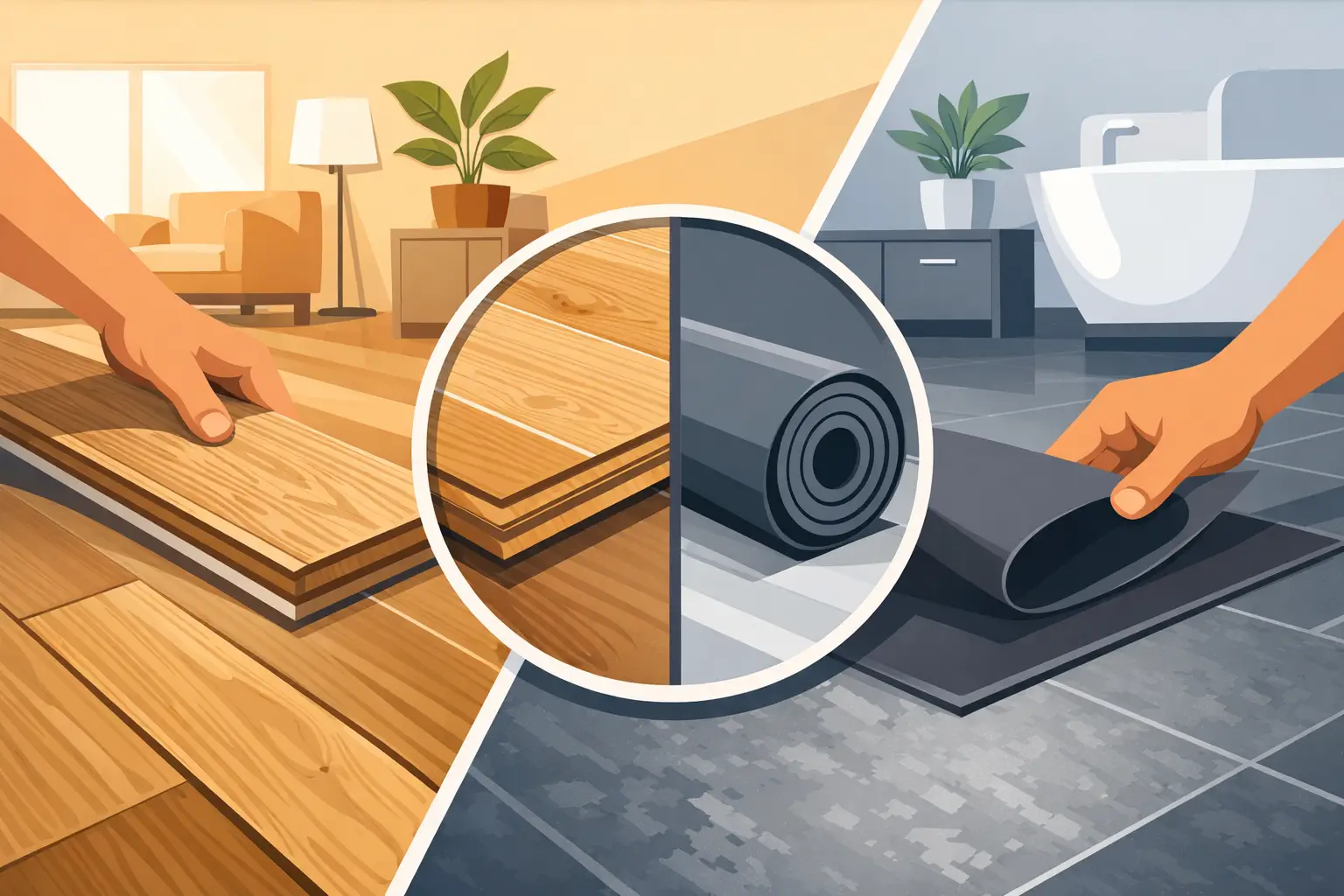
You usually notice the wrong flooring choice after it is installed. A floor that looks great in the showroom can feel loud, show wear fast, or struggle with moisture once real life hits. When homeowners compare laminate flooring vs vinyl, the better option often comes down to where it is going, how the room is used, and how much wear the floor will take.
Both materials are popular for a reason. They are more budget-friendly than many hardwood or tile installations, they come in a wide range of looks, and they work well for everyday residential upgrades. But they are not interchangeable. If you are updating a kitchen, refreshing living areas, or improving a rental or resale property, the details matter.
Laminate flooring vs vinyl at a glance
Laminate flooring is built around a dense fiberboard core with a photographic design layer and a protective wear layer on top. It is made to mimic wood closely, and many homeowners like it because it has a solid feel underfoot and often delivers a more traditional wood-floor appearance.
Vinyl flooring is a different category. In most remodeling projects, that means luxury vinyl plank or luxury vinyl tile. These products are made with synthetic materials and are designed for durability and water resistance. Many have realistic wood or stone visuals, and the category has improved a lot over the years.
If you want the shortest answer, vinyl usually wins in moisture-prone spaces, while laminate often appeals to homeowners who want a more wood-like feel in dry living areas. That said, product quality and installation make a big difference in how either floor performs.
Water resistance is often the deciding factor
For many homes, this is the first question that narrows the choice.
Vinyl has a clear advantage when moisture is a concern. Because it is made from synthetic materials, it handles spills, humidity, and routine wet mopping better than traditional laminate. That is why vinyl is commonly selected for kitchens, bathrooms, laundry rooms, and entry areas where water exposure is more likely.
Laminate has improved, and some newer products are marketed as water-resistant. Even so, laminate still has a fiberboard-based core, which means standing water can cause swelling or edge damage if moisture gets past the surface or seams. That does not make laminate a bad product. It just means the room matters.
In Florida homes especially, humidity and tracked-in moisture should be taken seriously. If the flooring is going into an area where wet shoes, pet water bowls, appliance leaks, or frequent spills are part of normal use, vinyl is often the safer long-term choice.
Appearance and feel underfoot
This is where the decision becomes more personal.
Laminate often has a slightly firmer, more substantial feel that some homeowners prefer. Depending on the product, it can also offer embossed textures that line up well with the wood grain visual. In living rooms, bedrooms, hallways, and home offices, laminate can give a clean, updated look that feels closer to a traditional wood floor than older vinyl products did.
Vinyl has come a long way in appearance. Higher-quality luxury vinyl planks can look very convincing, and many are difficult to distinguish from laminate at a glance. Still, underfoot, vinyl tends to feel a bit softer and sometimes less rigid, especially in thinner products.
That softer feel is not always a downside. Some homeowners like the slight give, especially in kitchens where they stand for longer periods. Others prefer laminate because it feels more solid when walking across the room. This is one of those cases where samples help, but so does understanding how the room is used every day.
Durability in busy households
If you have kids, pets, frequent guests, or heavy day-to-day traffic, both laminate and vinyl can be good options, but they wear differently.
Laminate is known for scratch resistance on the surface, particularly when you choose a quality wear layer. It can perform well in active households and often stands up nicely to foot traffic. The main risk is not usually surface wear. It is moisture intrusion and impact damage at edges or corners if the product is lower grade or poorly installed.
Vinyl is highly durable and generally handles dents, spills, and routine abuse well. It is especially practical in homes where floors need to be easy to clean and less vulnerable to water-related problems. Depending on thickness and wear layer, vinyl can also be very pet-friendly.
The trade-off is that lower-end vinyl may show indentations more easily from heavy furniture, and very thin products can telegraph imperfections in the subfloor. That is why prep work matters just as much as product selection.
Cost depends on more than the box price
Homeowners often start with material cost, but installed cost gives a clearer picture.
Laminate and vinyl both come in a wide pricing range. Entry-level versions of either can look decent at first, but better performance usually comes with better materials. Thicker planks, stronger wear layers, better locking systems, and more realistic textures tend to raise the price.
Vinyl can cost more than laminate in some premium categories, especially for waterproof luxury vinyl products with strong wear layers and attached underlayment. Laminate can sometimes offer a lower upfront material cost for large dry-area installations. But if a floor is installed in the wrong room and fails early, the cheaper option stops being cheaper.
Labor, floor prep, trim adjustments, transitions, and removal of existing flooring also affect the final price. A realistic flooring budget should account for the whole project, not just square-foot pricing on the product itself.
Installation quality matters as much as product choice
A good floor can perform poorly if the subfloor is uneven, moisture issues are ignored, or transitions are handled badly.
Both laminate and vinyl are often installed as floating floors, but they still require proper prep. Subfloors need to be level, clean, and dry. Door clearances, baseboards, underlayment requirements, and expansion gaps all need attention. In kitchens and open living spaces, layout planning also affects how natural the finished floor looks.
This is one reason many homeowners prefer working with a contractor who handles more than one interior trade. If flooring meets new drywall, fresh paint, cabinet updates, or trim work, coordination matters. AP Interior Solutions works on these kinds of connected interior upgrades every day, which helps keep the finished result clean and consistent.
Best rooms for laminate
Laminate is a strong fit in spaces where moisture is not the main concern and appearance is a high priority. Bedrooms, living rooms, dining rooms, hallways, and offices are all common choices. In those areas, it can provide a warm, updated finish without the higher cost of real hardwood.
It also works well for homeowners who want a wood-look floor and expect normal residential wear, but not repeated wet conditions. If the room stays relatively dry and the installation is done correctly, laminate can be a practical and attractive option.
Best rooms for vinyl
Vinyl is usually the safer pick for kitchens, bathrooms, laundry rooms, mudrooms, and entryways. These are the rooms where water, humidity, and heavy cleanup are part of daily life. For families, pet owners, and homes with a lot of traffic, vinyl often offers more peace of mind.
It is also a strong option for whole-home continuity when you want one flooring material across several connected rooms, including areas where laminate might be a risk. That is especially useful in open floor plans where a consistent finish matters.
So which one should you choose?
If you are deciding between laminate flooring vs vinyl, ask a practical question first: what does this room need the floor to handle?
Choose laminate when you want a strong wood-look appearance, a solid feel underfoot, and the space is mostly dry. Choose vinyl when moisture resistance, easier maintenance, and all-around durability are higher priorities. Neither choice is automatically better in every home.
The right answer usually comes from matching the flooring to the room, the traffic level, and the rest of the remodel. A kitchen floor has different demands than a guest bedroom. A busy family home has different needs than a low-traffic property being prepared for resale.
The best flooring decision is rarely about trends. It is about how the material will hold up once furniture is moved in, shoes come through the door, and everyday life starts happening on top of it.
Planning a project in South Florida?
AP Interior Solutions remodels kitchens and bathrooms and delivers flawless painting and drywall across Broward, Miami-Dade and Palm Beach. Free in-home estimates, English y español.